How to manage strawberries during the fruit-swelling stage? A detailed explanation of practical technical points
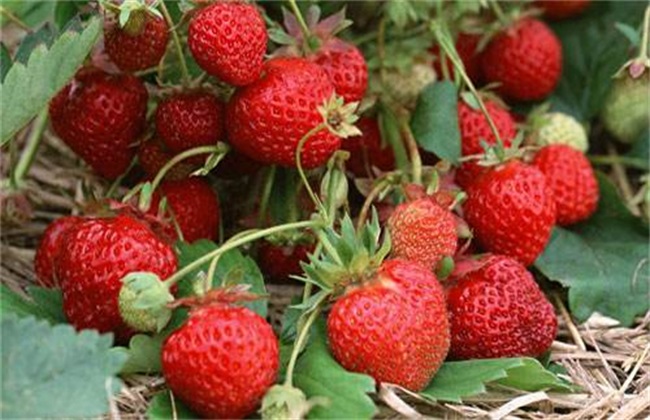
Strawberries are distributed throughout China and are a fruit loved by many people. Although strawberries are expensive, their market demand is also very large because they are sweet and delicious and rich in nutrients. When growing strawberries, we need to do a good job of management. This is especially true during the fruit-swelling stage, so how should strawberries be managed during the fruit-swelling stage? Now let's take a look together with the editor at the management techniques for strawberries during the fruit-swelling stage!
1. Temperature management
After strawberries enter the fruit-swelling stage, we must control the temperature well. At this time, the temperature must not only support strawberry fruit swelling, but also meet the needs of flower bud differentiation. If the daytime temperature is appropriately higher, it is very beneficial to strawberry fruit swelling. However, it will affect flower bud differentiation, thereby affecting the yield in the middle and later stages. But if the temperature is too low, the opposite phenomenon will appear: the strawberry fruit will be smaller, and its commercial value will be affected, thereby reducing planting benefits. Therefore, in order to ensure the quality of strawberries, during the fruit-swelling stage we should appropriately lower the nighttime temperature, keeping the daytime temperature at around 22 degrees and the nighttime temperature at around 7 degrees, maintaining a relatively large day-night temperature difference.
2. Humidity management
During the strawberry fruit-swelling stage, humidity management is also very important. The humidity in the orchard must not be higher than 80%. Although during the fruit-swelling stage, higher humidity can promote fruit enlargement and improve strawberry quality. However, it must not be too high. If it exceeds 80%, gray mold is very likely to occur. Therefore, humidity should be controlled at around 70%. When it is too high, watering should be stopped and humidity should be removed in time. Likewise, if humidity is too low, watering should be done in time to increase humidity. Do a good job of ventilation and dehumidification according to actual conditions to ensure normal growth and fruit swelling of strawberries.
3. Plant management
First, we should remove old leaves and diseased leaves from the strawberry plants to improve plant ventilation and light penetration, promote fruit enlargement, and avoid the threat of disease. Then, according to the plant's growth vigor, we should do a good job of flower and fruit thinning, keeping about six fruits per plant and removing excess fruits to avoid competing with each other for nutrients and affecting fruit swelling. In addition, during the strawberry fruit-swelling stage, new stolons will still grow, so we should also remove excess stolons in time and then disinfect appropriately. Finally, we should also remove the side buds on both sides of the plant to prevent the buds from seizing the nutrients needed for fruit enlargement and ensure normal fruit enlargement of strawberries.
4. Water and fertilizer management
The enlargement of strawberry fruit is greatly related to water. Therefore, we should also pay attention to watering well, control the amount of watering, and mainly use small-drop drip irrigation. If watering on a sunny day, close the greenhouse after each watering, and ventilate again after the temperature rises. In the later stage of fruit swelling, control the amount of water well to avoid excessive water reducing strawberry quality. Because strawberry fruit grows very quickly when swelling, fertilizer should be applied about once every half month, mainly with high nitrogen and potassium and low phosphorus. At the same time, we should also pay attention to appropriately spraying foliar fertilizer to supplement trace elements such as boron and magnesium.
The above is a brief introduction to the management techniques for strawberries during the fruit-swelling stage. That is all for today's introduction. This article is for reference only, and I hope it can help everyone!