A Detailed Guide to the Cultivation Techniques and Management Methods of Calamondin
Like mandarin orange, calamondin is a relatively popular citrus variety with extremely high economic value, and it is also greatly loved by people as an ornamental potted plant. So how should calamondin be cultivated? Let's learn about it together with the editor.
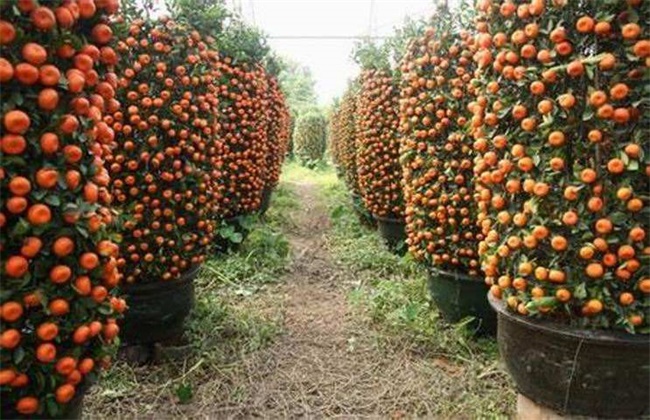
1. Rootstock Propagation
The rootstocks used to cultivate calamondin include trifoliate orange, citron, red lemon, calamondin, sour orange, and others. Suitable rootstock seedlings can be selected according to the climate conditions of each region. Cutting propagation is generally used to cultivate rootstock seedlings. First, in August-September, select 1-2 year old thick and strong branches with sufficient nutrient accumulation, cut them into 15-20 cm lengths, cut the lower end into a slanted surface, remove the lower leaves, keep 2-3 leaves at the upper part, soak the base in rooting powder, and then they can be inserted for cuttings. After the new shoots mature, they can be divided and transplanted into the field to cultivate robust rootstock seedlings.
2. Grafting
Small-bud cut grafting is mostly used, and grafting in winter and spring gives the best results. One week before grafting, the rootstock should first be pruned, and appropriate watering should be given at the same time to make the sap flow vigorously, so as to improve the grafting survival rate. Young buds sprouting from the rootstock should be removed in time. After the first flush matures, short pruning should be carried out in combination with shaping, and the binding can be untied to promote the growth of second-level branches, so as to cultivate a good crown.
3. Potting
Potting is a key step. Try to choose seedlings with a round and upright crown, thick branches, green leaves, and a well-developed root system for potting, and the pot size should also be determined according to the size of the seedling. Before potting, cover the drainage hole at the bottom of the pot with a small tile to prevent soil loss and facilitate drainage and ventilation. The growing medium should be loose, breathable, and strong in water and fertilizer retention. After potting, cover with soil just to the level of the seedling's original soil surface. After planting, water thoroughly to settle the roots, which is very beneficial to the plant.
4. Repotting
Repotting is also one of the main cultivation measures. It is generally carried out after the autumn shoots mature each year. After repotting, a new batch of roots can still grow before winter arrives. Before repotting, the soil needs to be slightly dry, and watering should be avoided to prevent root breakage. When repotting, use a wooden stick to push upward firmly through the hole at the bottom of the pot, lift the seedling out or turn it upside down to remove it, and then plant the original plant in a larger pot.
The above is an introduction to the cultivation techniques for calamondin. I hope it can help you. If you want to learn more related knowledge, please stay tuned to us.