How to manage apricot trees in spring? These key points must be mastered
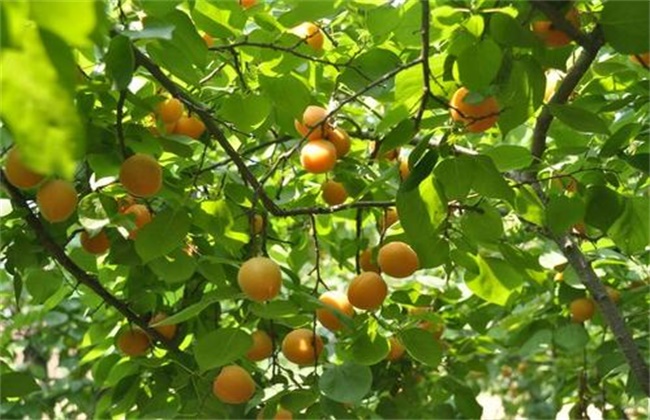
Apricot trees themselves have a low fruit-setting rate, and apricot trees have low resistance to low temperatures during the bud break and flowering periods. If low-temperature rain or snow occurs during the flowering period, they will suffer frost damage, leading to flower and fruit drop, so spring management of apricot trees is extremely important. So how should apricot trees be managed in spring? Follow the editor to take a look.
1. Delay the flowering period
In winter, combined with summer pinching, secondary shoot flower buds should be used for fruit setting, which can effectively increase the flowering rate and natural fruit-setting rate. In early spring, watering can lower the ground temperature, and whitewashing the trunk can delay flowering, avoiding the period of low-temperature frost damage. This can reduce frost damage to flowers and significantly increase the fruit-setting rate. Before germination, spraying a low-concentration salt water solution can also enhance the frost resistance of the flower organs and delay flowering.
2. Topdressing during the flowering period
Spring topdressing for apricot trees should be carried out half a month before flowering, mainly with quick-acting nitrogen fertilizer. The specific amount of fertilizer should be determined according to the actual conditions such as tree vigor, tree age, and soil. The topdressing method is to open shallow furrows in the tree basin and apply the fertilizer mixed in, then immediately cover with soil and water. In addition to topdressing during the flowering period, irrigation should also be carried out during continuous spring drought, mainly when the flower buds begin to swell, and no later than half a month before flowering, because this watering cannot guarantee the needs of flowering and fruit setting, and can also delay flowering and reduce late frost damage.
3. Flowering period management
Flowering period management of apricot trees mainly includes flower thinning and fruit thinning, promoting pollination and fertilization, and frost protection during the flowering period. There is nothing much to compare with flower thinning. Apricot trees themselves have a relatively serious flower drop phenomenon, so measures to protect flowers and fruits need to be taken. If there are ineffective flowers, maintaining a reasonable load is sufficient. Fruit thinning is very necessary, and wrapped, defective, and deformed fruits need to be removed in time. Promoting pollination can only be done manually or by releasing bees when conditions do not allow it, because apricot trees produce a large amount of pollen. Generally, if the weather is clear and pollinating varieties are configured, pollination is not a problem. Frost protection is generally prevented by measures such as increasing smoke and covering.
4. Pest and disease control
Spring is the active period for pests and diseases, and at this time the effect of pest and disease control is also relatively obvious. The second is to ensure the normal growth and development of apricot trees. The main insect pests of apricot trees in spring are aphids and scale insects, and the main diseases are gummosis, brown rot, and shot hole disease. Control can be carried out through comprehensive measures combining agricultural control, physical control, and chemical control.
The above is an introduction to the key points of spring management of apricot trees. I hope it can help you. If you want to learn more related knowledge, please stay tuned to us.