What causes the thick peel of Shatang mandarin
Shatang mandarin is a very popular mandarin variety, and it has a very large market demand in our country. Therefore, the planting area of Shatang mandarin is still very large at present, and many Shatang mandarin growers often encounter the problem of excessively thick peel when planting. It not only affects the appearance of Shatang mandarin, but its commercial value is also affected. So what causes the thick peel of Shatang mandarin? Let's take a look together below!
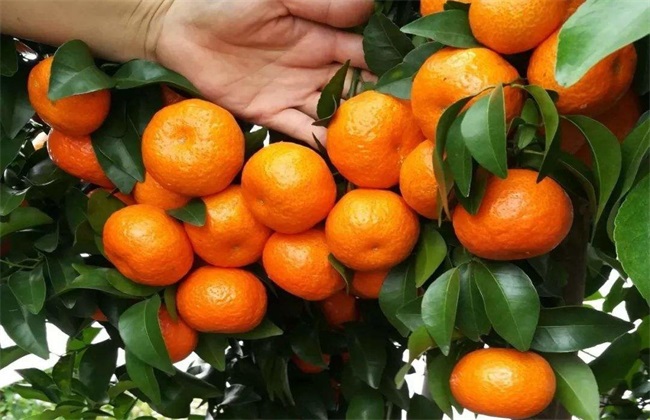
1. Boron deficiency
Shatang mandarin actually has certain requirements for its planting areas, and most southern regions are not suitable for planting Shatang mandarin. This is because the soil in most southern regions is acidic, and there is also a lot of rainy weather. This causes a large loss of elements such as boron, magnesium, and manganese, so planting Shatang mandarin in the south makes it very prone to deficiency symptoms. And if Shatang mandarin lacks boron during growth, it will show various conditions such as small fruit, thick peel, sourness, and deformities. The leaf veins will also become very swollen, and both old leaves and young leaves will show different symptoms.
2. Gibberellin reasons
When planting Shatang mandarin, many growers habitually use some gibberellin. This is because gibberellin has the effect of promoting plant cell division and enlargement, and reasonable use is very beneficial to the yield and fruit quality of Shatang mandarin. However, it should be noted that after Shatang mandarin sets fruit, the young fruit is mainly dominated by cell walls, and only later does the flesh gradually form. If too much gibberellin is used or the concentration is too high when preserving the fruit of Shatang mandarin, it will cause excessive division and enlargement of the peel cells of the fruit, resulting in phenomena such as deformities and thick peel.
3. Excessive application of nitrogen fertilizer
Shatang mandarin has certain growth patterns during growth. When fertilizing, we should reasonably control the fertilizer according to the growth patterns of the fruit. Generally, during the first 2/3 of fruit development, it is mainly the time of fruit enlargement. In the final period, the growth center of the fruit will change to accumulating dry matter, and at this time we must pay attention to controlling the application of nitrogen fertilizer. If nitrogen fertilizer is applied excessively, it will not only easily lead to thicker peel, but also easily cause excessive vegetative growth of the fruit tree, consuming too much nutrition. This is very unfavorable to its yield and fruit quality.
4. Weather reasons
Weather is also one of the main reasons causing the peel of Shatang mandarin to become thick. During the flower bud differentiation and flowering period of Shatang mandarin, if abnormal weather such as late spring cold and low temperatures occurs, it will hinder the normal development of the ovaries of some flowers. Although these flowers can pollinate normally and set fruit, after fruit set the fruit usually develops poorly, and the fruit's transport system is also very poor. This affects the transport of organic nutrients and causes fruit deformities and thick peel.
The above is a brief introduction to what causes the thick peel of Shatang mandarin. Everyone should do a good job of prevention and control according to the specific reasons to reduce the phenomenon of thick peel. That is all for today's introduction, thank you for your reading and support.