What causes deformed fruit on peach trees?
Peaches are a fruit we eat quite a lot in daily life, and peach trees are planted over a fairly large area in China. When growing peach trees, we must pay attention not only to the yield and quality of the peaches, but also to their appearance, since appearance directly affects the commercial value of the peaches. Yet growers often find that peach trees are prone to producing a lot of deformed fruit. So what causes deformed fruit on peach trees? And how can it be reduced? Let's take a look below!
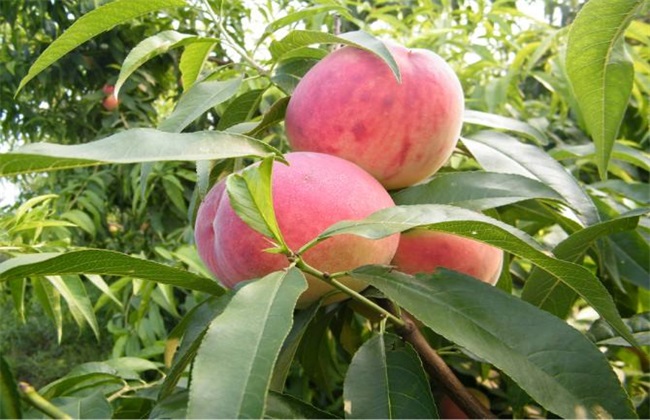
I. Causes of deformed fruit
1. Climatic causes
During the flower bud differentiation stage of peach trees, if the weather is unfavorable, it is very easy for deformed fruit to appear. For example, long periods of high temperatures and lack of water will inhibit flower bud differentiation in peach trees, or even stop it altogether. Many peach varieties, especially early-maturing varieties, show a tendency to bear deformed fruit, mainly because the surrounding environment changes too drastically. If peach trees are stimulated during flower bud differentiation or the conditions required for flower bud differentiation are not met, the normal growth of the trees will be seriously affected, leading to various adverse phenomena.
2. Variety causes
Variety is also a main cause of deformed fruit in peach trees. For example, early-maturing varieties show more deformed fruit, while mid- and late-maturing varieties show less. This is because early-maturing varieties ripen relatively early, and by the later stage basically no one pays attention to them; improper water and fertilizer management means there are insufficient conditions during flower bud differentiation. Mid- and late-maturing varieties are just the opposite, so deformed fruit is relatively rare. In addition, if the spacing between two flowers is too small, the fruits are likely to join together when they set, forming “twin” deformed fruit.
II. How to reduce deformed fruit
1. Improving the environment
After peach trees enter the flower bud differentiation stage, we must do a good job of improving the environment. In July and August, peach flower bud differentiation is most sensitive to temperature changes. The temperature must not be too high; if it exceeds 30 degrees, shading work should be done well to reduce light intensity and temperature. This reduces the occurrence of double-pistil flower buds and can thereby reduce deformed fruit. In addition, during high-temperature periods, we should keep the soil moist, allow some weeds to grow appropriately to improve the soil environment and enhance the soil's moisture-retention capacity. Spraying water appropriately can also lower the temperature in small areas of the orchard during high temperatures.
2. Strengthening management
When managing peach trees, we should manage them according to characteristics such as whether the variety is early-, mid- or late-maturing. Do a good job with water and fertilizer management, foliar feeding, pruning and plant protection. Especially after entering September, management methods should be reasonably adjusted according to weather changes. When the weather is dry and the temperature is high, water and fertilize in time. If September is dry, it will affect the growth of autumn shoots, causing the tree's transpiration to roughly exceed its original accumulation, and deformed flowers will increase as a result. Therefore, deformed fruit on peach trees will also increase the following year, so we must strengthen management work. Deformed fruit that appears should be removed promptly to avoid consuming too many nutrients.
The above is a brief introduction to the causes of deformed fruit on peach trees. That's all for today's introduction. This article is for reference only, and we hope it can help everyone!