What to Do If Grapes Color Poorly? Causes and Remedies
Grapes are a very popular fruit in our daily lives, and they are grown on a relatively large area in our country. The market is very large both domestically and abroad, so more and more people are growing grapes now. However, many people find that their grapes do not color well when growing them. So what should be done when grapes color poorly? Below, the editor will give a brief introduction for everyone. Let's take a look!
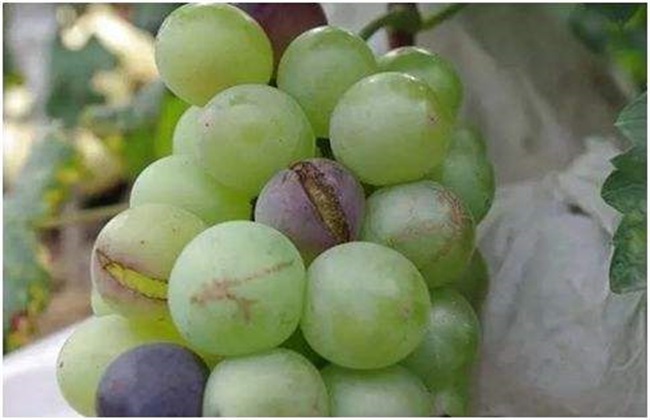
1. Light control
Light is very important for grape flower bud differentiation, and it also has a great impact on grape berry coloring. Both light intensity and duration directly affect grape coloring. Generally, if you want grape berries to color normally, they need to receive about 70% of natural light intensity. So we should pay attention to controlling light well, and promptly remove fruit clusters near the berries as well as some old leaves and diseased leaves that block light. For healthy leaves, they should be moved aside appropriately, and bagged fruit should have the bags removed in the later stage in time to promote coloring. If it is a late-maturing variety, then reflective film should be laid in the orchard.
2. Water management
Although grapes have a certain demand for water during growth, you must pay attention to controlling the amount of water used, especially during fruit ripening and coloring. If too much water is applied or there is excessive rainfall without drainage, it will increase the water content of the berries, thereby reducing the sugar content and anthocyanin concentration of the berries and affecting berry coloring. Therefore, when the berries are coloring, a relatively dry environment should be maintained. After grapes enter the veraison stage, drip irrigation with small amounts of water and frequent light watering should be used; do not flood irrigate. If rain occurs, drain promptly.
3. Temperature management
After grapes enter the veraison stage, we should also control temperature well. A relatively large day-night temperature difference should be maintained, as this is very beneficial to grape sugar content and coloring. Suitable daytime temperatures can increase dry matter accumulation, but the temperature should not be too high, with the maximum not exceeding 40 degrees, otherwise it will instead affect grape coloring. At night, a low-temperature environment should be maintained, mainly to promote grape berry coloring and sugar accumulation. If you want to increase the day-night temperature difference, this can be done by laying black film.
4. Reasonable fertilization
During the grape veraison stage, fertilization work should be done well, and the amount of fertilizer should be controlled; do not over-fertilize. Especially nitrogen fertilizer: if too much nitrogen fertilizer is applied, it will cause grapes to remain green and mature late, thereby affecting grape coloring. When fertilizing, pay attention to controlling the ratio of nitrogen, phosphorus, and potassium fertilizers, and appropriately supplement organic fertilizer. Among these, potassium fertilizer should be the main one. In addition, attention should also be paid to supplementing nutrients such as calcium and magnesium, which can be supplemented by spraying monopotassium phosphate as a foliar fertilizer to ensure normal coloring of grape berries.
The above is a brief introduction to what to do if grapes color poorly. That is all for today's introduction. This article is for reference only, and I hope it can help everyone!