Low Fruit Set Rate in Greenhouse Melons: Causes and Control Measures Explained
Growing melons in greenhouses allows artificial regulation of temperature and humidity, which can significantly increase melon yields. However, improper management can instead reduce the fruit set rate of melons, which not only affects the yield and quality of melons but also delays the time melons reach the market and lowers returns. So what are the causes of low fruit set rate in greenhouses? Let's take a look together.
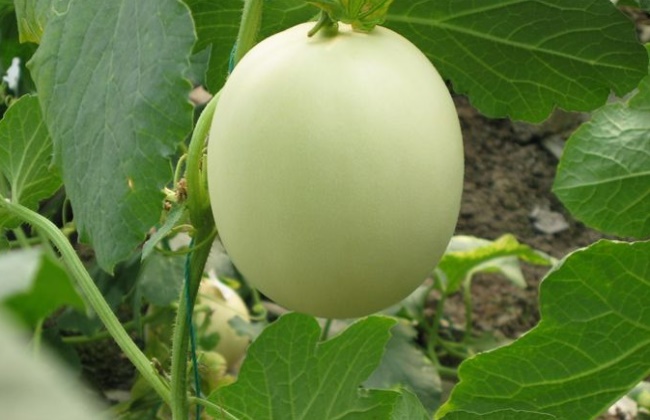
I. Causes of Low Fruit Set Rate in Greenhouses
1. Low temperature and insufficient light
After melons are planted in spring, temperatures in some areas fluctuate unpredictably, and late spring cold spells may even occur, or there may be continuous overcast and rainy days. If insulation is inadequate, this will restrict the growth and development of melons and affect flowering and fruit set. When light is insufficient, it forces melon internodes and petioles to elongate, leads to poor flower bud differentiation, and results in less accumulation of nutrients in the fruit, lower sugar content, and poorer quality.
2. Excessive humidity
At low temperatures, if the greenhouse is not ventilated for a long time, air humidity will become high and soil moisture will be relatively saturated. This not only affects the root system's absorption capacity and leaf transpiration, but also makes it difficult for pollen to disperse or causes pollen to rupture, hindering fertilization, affecting pollination, and leading to flower and fruit drop.
3. Improper fertilization
Applying too much base fertilizer and too little topdressing, especially excessive nitrogen fertilizer causing excessive vegetative growth, will restrict flower bud differentiation. Using too little organic fertilizer, or even no organic fertilizer at all, is also unfavorable for flower bud differentiation.
4. Severe pests and diseases
Pests and diseases can seriously hinder the cultivation of strong seedlings, which affects the stress resistance of the plants, making flower and fruit drop very likely in the later stages.
II. Control Measures
1. Appropriate temperature and humidity management
During the fruit set period of melons, keep the daytime temperature at around 28-30°C. If it is below 18°C or above 32°C, it is unfavorable for pollination and fruit set and very likely to produce deformed melons. At night, it is suitable to maintain 15-18°C. In protected cultivation, temperature management should be strengthened. In spring, temperatures rise quickly, so the early growth stage should focus on raising temperature, and after flowering and fruit set, attention should be paid to cooling. When the temperature exceeds 32°C, a shade net should be covered over the greenhouse film to provide appropriate shading and cooling.
2. Improve light conditions
On sunny days, uncover the plastic film, uncovering early and covering late, to extend the lighting time, which both supplements light and preserves heat. On rainy days, promptly uncover the film at both ends of the greenhouse or at the base of the greenhouse to increase scattered light. You can also choose drip-free film to improve light conditions, such as polyethylene or vinyl acetate film. It has high light transmittance and can increase light intensity by about 25%.
3. Reasonable fertilization
The flowering and fruit set period of melons is the turning point from vegetative growth to reproductive growth. At this time, compound fertilizer or foliar fertilizer should be applied promptly. Excessive nitrogen fertilizer should be avoided, so as to promote the movement of nutrients to the young melons and enhance plant vigor, while also preventing excessive vine growth. When plants show excessive vegetative growth, spraying paclobutrazol or using the method of lowering the growing tip and tying the vine can significantly inhibit stem and leaf growth and promote fruit expansion.
4. Pest and disease control
Common diseases of melons include fusarium wilt, phytophthora blight, and powdery mildew, while the main pests are aphids, whiteflies, and others. Focus on controlling powdery mildew, viral diseases, and aphids. Control should be integrated, with prevention as the main approach, and once pests or diseases are found, chemical control should be applied promptly. At the same time, pay attention to greenhouse ventilation, control appropriate temperature and humidity, and promptly train vines, tie vines, and weed, so as to improve the plant's resistance to pests and diseases.
The above is an introduction to the causes of low fruit set rate in greenhouse melons and the control measures. We hope it can help you. If you want to learn more related knowledge, please stay tuned to us.