Common Misconceptions and Precautions in Winter Pruning of Kiwifruit
Kiwifruit trees are a relatively widely distributed fruit tree in China, with a fairly large planting area. When growing kiwifruit trees, pruning is indispensable. Especially in winter, winter pruning is very important for the flowering and fruiting of kiwifruit trees the following year. However, many fruit growers have many misconceptions when winter pruning kiwifruit trees. So today, the editor brings you the misconceptions and precautions in winter pruning of kiwifruit trees. Let's take a look together!
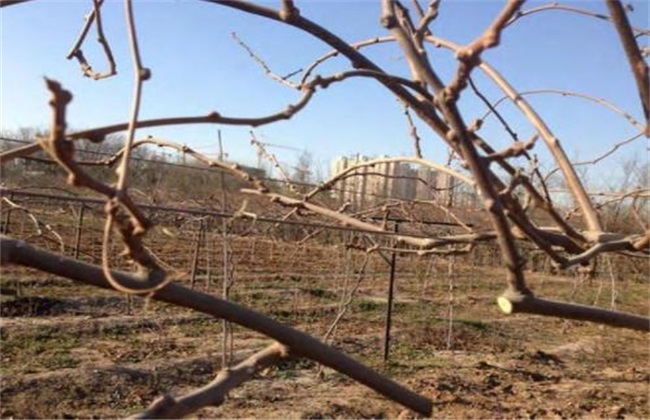
1. Not keeping renewal branches
Many fruit growers, when pruning, use the two methods of thinning and heading back, and only keep the fruiting mother branches, not paying attention to renewal branches. This results in the tree having only fruiting branches and no auxiliary nurturing branches, which affects the tree's accumulation, causes the tree to thicken slowly, and makes it prone to various diseases. Therefore, we should retain about half of the renewal branches every year to restore and nurture the kiwifruit tree. The method for renewal branches is mainly renewal pruning by cutting back, retaining about two buds. The cut should also appropriately retain root branches, and the root branches should mainly be short branches, which must not be tipped; if the root branches are vigorous, then short-cut them again.
2. Using only strong vigorous branches as fruiting mother branches
Some fruit growers, especially novice fruit growers, only use strong vigorous branches as fruiting mother branches during winter pruning. This is actually very unfavorable to the growth of kiwifruit trees. Because the germination rate of strong vigorous branches is very low, and some have a low fruiting branch rate, they are prone to freezing damage and diseases such as canker. So when cultivating fruiting mother branches, we should mainly use three types of branches: old, middle-aged and young. Taking moderate branches as an example, we can use the method of selecting and retaining continuous fruiting to select about one third of the fruiting mother branches. That is, retain a few buds at the uppermost fruit stalk of the strong vigorous branch and cut there, so that it can fruit continuously.
3. Short-cutting only at plump buds
Short-cutting only at plump buds is also a winter pruning misconception that many people have. If you short-cut at a plump bud, then the apical dominance of the plump bud below the cut will be strengthened, causing the roots to lack nutrients, thereby reducing the germination rate. This greatly affects tree vigor and leads to poor root development. If too much fruit is retained the following year, the fruit tree is also prone to premature aging. Therefore, under limited conditions, we should best extend the branches as long as possible. Short-cutting can be done at the plump buds at the top. For small situations on the trellis surface, tying can be done at sparse branches to ensure sufficient space.
4. Precautions
When pruning, first of all, we must pay attention to pruning according to a standardized tree shape. We must not casually cut back the skeletal branches and main vines. When the branches are relatively sparse, for some branches that have already fruited, they should be pruned according to branch groups to occupy the trellis surface. Retain healthy and vigorous fruiting branches, and retain about 5 buds before the uppermost fruit stalk for short-cutting, to encourage continued fruiting. For short branches with large space and that have been topped, no pruning is needed; let them send out vigorous branches to improve space utilization.
The above is a brief introduction to the misconceptions and precautions in winter pruning of kiwifruit. That's all for today's introduction. This article is for reference only, and I hope it can help everyone!