Causes of and Solutions for Severe Fig Fruit Drop
Fig fruit drop occurs from time to time during management, and some fruit growers find that their figs suffer severe fruit drop when ripening, which seriously affects profits. So what causes severe fig fruit drop? Let's take a look.
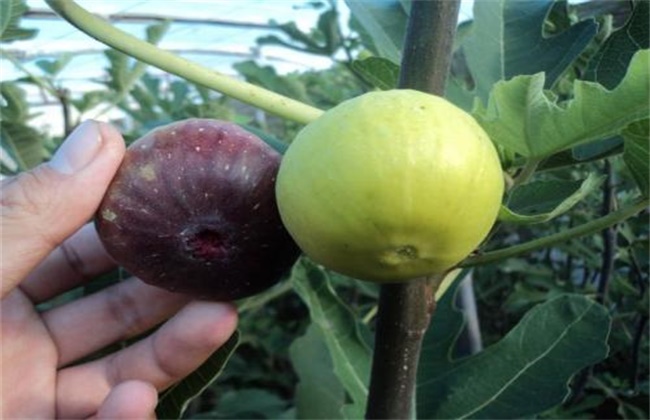
1. Unsuitable soil pH
The fig root system is relatively well developed and has an extremely strong ability to absorb nutrients; its lush branches and leaves are due to the ability of the roots. Although its requirements for soil are not very strict and its adaptability is relatively strong, soil pH still has a certain effect on it. Figs grow best in weakly alkaline or neutral soil, with a suitable pH between 7.2-7..5; they are alkali-tolerant fruit trees and need large amounts of calcium during growth. So if the soil is acidic, it will affect root vitality and nutrient absorption, leading to severe fruit drop. If the soil is acidic, lime can be used to adjust it and neutralize the soil acidity and alkalinity.
2. Water imbalance
Figs have lush branches and leaves, and their leaves are large and thick, so they also have a relatively high demand for water, and water evaporates relatively quickly. Especially when new shoots emerge and the fruit expands rapidly, their demand for water becomes greater and greater. So if water is lacking during these periods of the growth stage and the soil is too dry, it will seriously affect the growth and development of the fruit tree, making the flesh coarse, the fruit small, and yield and quality drop severely, ultimately causing early ripening, shriveling and fruit drop.
3. Damage from pests and diseases
There are many pests and diseases that cause severe fig fruit drop, such as phytophthora disease, root-knot nematodes, longhorn beetles, and mites. Among them, phytophthora disease mainly damages fruit, new shoots and leaves, and can also infect young buds; root-knot nematodes mainly damage the plant roots, causing them to become nodular, leading to rot and swelling, shrinking of the root system, and further causing stunted plants, yellowing leaves, and premature fruit drop; longhorn beetles feed back and forth under the plant cortex and then bore into the xylem deep in the trunk, causing tree vigor to decline and fruit drop; mites gather as adults and nymphs on the underside of leaves and suck leaf sap, making the leaves lose their function and causing leaf and fruit drop. Pest and disease control should be strengthened; after pests and diseases are found, timely targeted treatment should be applied to control their spread as much as possible.
4. Improper fertilization
Many growers often choose to apply a single fertilizer when fertilizing, which often hinders the root system's absorption and use of other nutrients. For example, when nitrogen is deficient, the number of flower bud differentiations decreases, causing the fruit to ripen early and have good quality, but because nutrients are transferred to the fruit, severe fruit drop occurs. When potassium is deficient, branches and shoots grow excessively, deformed fruit appears, and the root system also turns black, peels and rots, further leading to fruit drop. Figs also have an extremely high demand for calcium fertilizer, and calcium deficiency can also cause premature fruit drop. Therefore, fertilization must be reasonable, and sufficient base fertilizer must be applied to provide material conditions for the growth and development of the fruit tree. In fig cultivation, it is divided into early-stage topdressing and late-stage topdressing, that is, fertilizing according to the nutrient requirements of each growth stage, regulating the contradiction between vegetative growth and reproductive growth, and ensuring high yield and high quality.
The above is an introduction to what to do when figs drop fruit severely. I hope it can help you. To learn more related knowledge, please follow us.