Key Points and Methods of Winter Pruning Techniques for Kiwifruit
Kiwifruit, also known as the Chinese gooseberry, is a fruit popular with many people. It is also grown on a relatively large scale in China. When growing kiwifruit, we need to pay attention to doing a good job of pruning. It should be adjusted appropriately according to seasonal changes, especially in winter, when winter pruning is very important. So how should kiwifruit be pruned in winter? Below, the editor brings you the winter pruning techniques for kiwifruit. Let's take a look!
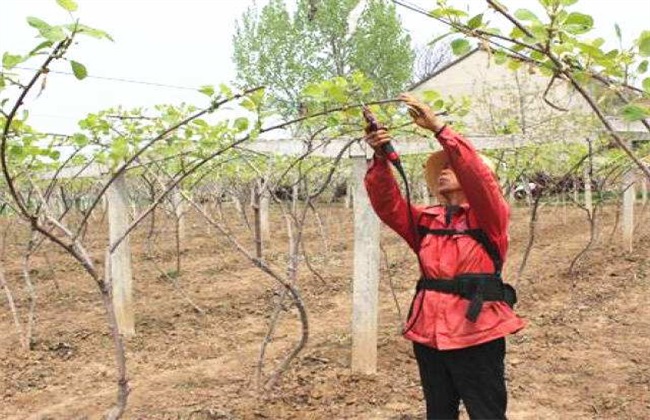
1. Pruning of Water Sprouts
When winter pruning kiwifruit, the first thing we need to do well is the pruning of water sprouts. For kiwifruit trees, the vigorous, upright shoots growing from the base of the main vine or trunk or from the back side are generally called water sprouts. If water sprouts are not managed in time, they can grow to about two meters at most. This is very unfavorable for the development of buds. If they are not pruned, then in the second year only about three shoots can sprout at most, causing the base to easily become bare. Therefore, we should promptly cut off the water sprouts at the base. If there is enough space, then about six buds can be retained for heading back. Cultivate them as renewal shoots, and in the second year they can form fruiting shoots.
2. Pruning of Empty Shoots
Although some shoots grow relatively normally, they cannot bear fruit in the second year. These shoots are called empty shoots. When pruning empty shoots, usually about three plump buds are retained for heading back, so that they form fruiting mother shoots in the second year. For some long shoots growing vigorously, light pruning should be carried out at the one-meter position. This pruning method is called long-cane pruning. If long-cane pruning is carried out, then the formation of fruiting shoots can be promoted, improving the fruiting rate. Pruning empty shoots can also moderate shoot vigor and promote the rapid formation of fruiting shoot groups.
3. Pruning of Fruiting Mother Shoots
The production performance of kiwifruit is very strong, and fruiting shoots can basically bear fruit every year. As long as they have reached fruiting age, regardless of whether they have borne fruit or not, most fruiting shoots can basically form mixed buds. Then in the second year they become fruiting mother shoots. For the pruning of fruiting mother shoots, we should control the degree of pruning according to factors such as shoot growth vigor and the number of seedlings and buds. For rampant fruiting shoots, about 4 buds should be retained at the fruiting position, while for medium fruiting shoots about 3 buds should be retained, and finally for short fruiting shoots 1-2 buds should be retained, or no pruning should be done.
4. Renewal Pruning of Branches and Vines
For fruiting mother shoots that have already grown continuously for more than two years or are gradually aging, we should promptly carry out renewal pruning work. At the node of the mother shoot, vigorous fruiting mother shoots should be promptly retracted to vigorous growth for heading back, to avoid the fruiting position moving outward. If the fruiting mother shoot is weak or the branching growth is too high, then starting from the position of the latent buds at the base, all parts above should be cut off. Keep a distance of about three centimeters from the bud eye, which can promote the sprouting of new branches and vines. The main point is still to determine according to the position of aging.
The above is a brief introduction to the winter pruning techniques for kiwifruit. That is all for today's introduction. This article is for reference only, and I hope it can be helpful to everyone!