How to Improve Compacted Soil in Orchards? A Full Breakdown of Practical Methods
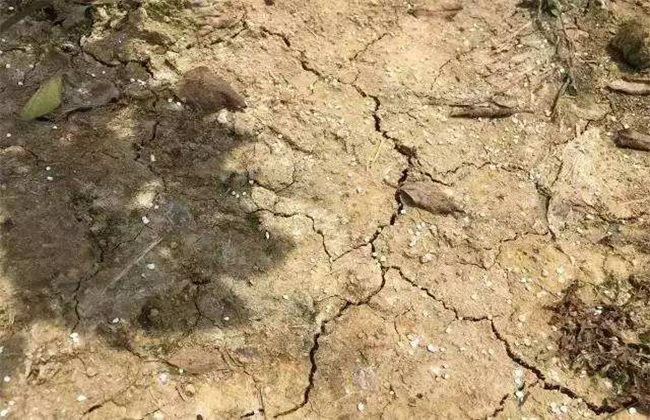
Orchards exist in basically every part of our country, and for many people, fruit is an essential food every day. That is why our country's fruit market is doing very well right now. When we grow fruit, the soil is extremely important, and many fruit growers find during cultivation that orchard soil often becomes compacted. So what should be done about compacted orchard soil? Below, the editor gives everyone a brief introduction. Let's take a look together!
1. Dig trenches in alternate rows and deep plow
If you want to break up soil compaction, then digging trenches and deep plowing the soil is absolutely indispensable. The root systems of many fruit trees grow in all directions, so if you do not dig in alternate rows, it will cause relatively serious harm to the tree roots. Deep digging in alternate rows can reduce damage to the roots. When deep plowing, be careful not to injure the main roots, even though some absorbing roots will be damaged. But this will not have a major impact on the growth of the fruit trees. If you accidentally cut through a thick root, then you should smooth the wound to encourage new roots to grow out.
2. Apply organic fertilizer in autumn
When fertilizing, pay attention to the application of chemical fertilizers. Only apply chemical fertilizers when you have no choice, and increase the application rate of organic fertilizers. Although chemical fertilizers are a key fertilizer for ensuring fruit tree yields, excessive application can very easily cause soil compaction, and the fruit trees are also prone to fertilizer burn. Therefore, in autumn after the fruit trees are harvested, combine alternate-row trench digging and deep plowing with the application of sufficient decomposed farmyard manure. This improves the soil, breaks up compaction, and enhances the growth capacity of the fruit trees. Moreover, after the fruit is harvested, the roots of many fruit trees are basically in a period of vigorous growth, and fertilizing at this time can provide sufficient nutrients for the root system.
3. Growing grass in the orchard
Growing grass in the orchard mainly uses the roots of weeds to fix them in the surface soil. However, note that when growing grass, the weed roots must not be too long, to prevent them from competing with the fruit trees for growth nutrients. This can provide good protection for the soil, improve soil structure, and increase the soil's water- and fertilizer-holding capacity. Pay attention to the variety of weeds; generally legumes are the main choice, as the main roots of leguminous weeds are generally not very deep. They also have strong growth capacity, making them a relatively good weed variety for improving soil structure. However, also pay attention to their growth; do not let them grow too tall, otherwise it will have a relatively large impact on the growth of the fruit on the lower part of the fruit trees.
4. Reasonable watering
When watering, pay attention to choosing a good watering method. Do not use flood irrigation in the orchard, as flood irrigation is the most likely to cause soil compaction. This is because the impact force of the large volume of water squeezes the air in the soil, resulting in insufficient oxygen in the soil. In addition, it also hinders the rise of soil temperature, especially in spring, when the impact is even greater. Moreover, flood irrigation also destroys the granular structure in the soil, and once the granular structure is destroyed, it naturally leads to soil compaction. So when watering, pay attention to mainly using small-drop drip irrigation to protect the soil.
The above is a brief introduction to how to improve compacted soil in orchards. That is all for today's introduction. This article is for reference only, and I hope it can help everyone!