Kumquat Not Fruiting? Causes and Solutions
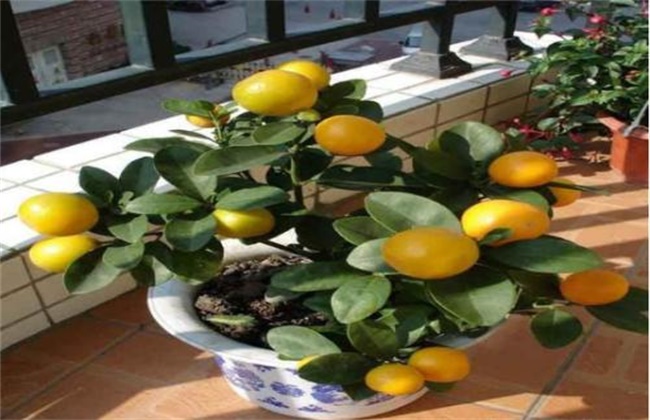
Kumquat is a small potted fruit tree with a relatively small plant size, but its fruit yield is not low. However, many friends have found that the kumquat they grow at home does not fruit. What is going on here? Let's take a look together.
1. Too much fertilizer and water
A large part of the reason why kumquat does not fruit is too much fertilizer and water, because with too much fertilizer and water, the plant grows vigorously, but this vigor refers to the branches and leaves. Vigorous branch and leaf growth instead affects the fruiting of kumquat. During the growth of kumquat, fertilization should not be excessive; generally, fertilizing once every 10 days is enough. During the flowering period, a phosphorus fertilizer can be applied once, which is beneficial for fruit setting. Watering should also be appropriate. During the flowering period, control the amount of watering appropriately. Generally, water again only when the plant's leaves appear wilted, as this can promote flower bud differentiation in the plant.
2. Too little light
Light is an important factor affecting plant reproduction, because light is a necessary condition for plants to carry out photosynthesis. If there is too little light, the plant's photosynthesis is poor, which will still affect flowering and fruiting. Therefore, when growing kumquat, it is necessary to provide appropriately sufficient light and not place it in too shady a place for a long time. If there is a lack of light during care, then ways must be found to meet its light needs so that it can fruit normally.
3. Lack of pruning
Reasonable pruning during the growth period of kumquat is an important measure for its growth and reproduction. If pruning is not carried out, then kumquat will bear few or no fruit. Generally speaking, in order for kumquat to fruit better, it needs appropriate pruning. Pruning during the growth period is mainly to retain branches, adjust the growth status and plant shape, and at the same time reduce nutrient consumption. At this time, it should be done according to the need to keep branches for shaping. Before flowering, flower buds also need to be pruned. Generally, 2-8 flower buds are retained on each branch, and for fruit retention, generally 1-2 are retained.
4. Precautions
In the process of cultivating kumquat, one more thing to note is not to let it get rained on during flowering, as this is unfavorable for pollination and may cause orchid disease. Second, during cultivation, suitable acidic soil is needed, and in the north, care should be taken to avoid soil alkalization.
The above is an introduction to what to do when kumquat does not fruit. I hope it can help you. If you want to learn more related knowledge, please follow us.