What factors affect the coloring of apple fruit?
Apple is a fruit that many people enjoy eating very much, and it is also very common in daily life in our country. Therefore, apples are now grown in all parts of our country. When growing apples, if you want to increase the commercial value of the apples, you must pay attention to fruit coloring. So what are the factors that affect apple fruit coloring? Today, the editor will give you a brief introduction to the factors affecting apple fruit coloring. Let's take a look!
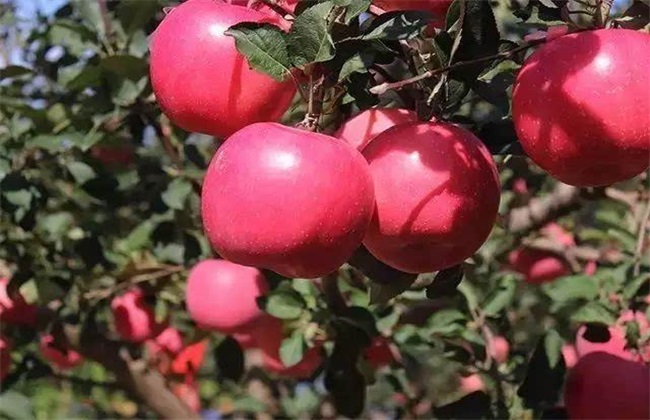
1. Temperature factors
Apple is a fruit that likes to grow in a cool environment, so temperature is the main factor affecting apple fruit coloring. About half a month before apple harvest, changes in temperature will form a negative correlation with anthocyanins, and a lower temperature environment can promote the synthesis of anthocyanins. Therefore, during the coloring period of apple fruit, keeping the average temperature at a lower stage and appropriately increasing the temperature difference between day and night is very beneficial to apple fruit coloring. Especially for the fruit of mid- to late-maturing varieties, the temperature difference should be maintained at about 10 degrees.
2. Tree nutrition
The accumulation of nutrients in the apple tree itself will also affect apple fruit coloring, especially the accumulation of nutrients such as sugar. However, the most important thing is still the soluble solids in the fruit. According to professional data surveys, if the coloring rate of apple fruit is lower than 40%, then the soluble solids content in the fruit will not exceed 12%. And if the coloring rate reaches 80%, then the soluble solids content can reach about 15%. Therefore, it can be seen that the coloring rate of apple fruit is directly proportional to the soluble solids content.
3. Nutrient ratio
Apples have a very large and also relatively comprehensive demand for nutrients during growth. Different types of minerals will have a direct impact on apple fruit coloring. For example, in the case of Fuji apples, in July, if the nitrogen element ratio in the tree is less than 2.5%, the petioles will still be green, resulting in insufficient sugar accumulation and poor fruit coloring. Therefore, we should apply fertilizer accordingly based on the nutrient ratio of the apple tree. For example, if the fruit tree is deficient in potassium, then appropriately increasing the proportion of potassium fertilizer can promote fruit coloring. If the fruit is not deficient in potassium, then there is no need to apply potassium fertilizer again, otherwise it is very unfavorable to fruit coloring.
4. Other factors
The coloring of apples will vary due to factors such as variety and type, mainly because different varieties also have different hereditary characteristics. Therefore, poor apple fruit coloring may be caused by variety reasons, and the common Fuji apple is a variety that is not easy to color. Then there is the light factor. Light is one of the main reasons affecting apple coloring. If the apple fruit receives uneven light or insufficient light, then it will have a relatively large impact on fruit coloring, so everyone should pay more attention.
The above is a brief introduction to the factors affecting apple fruit coloring. That is all for today's introduction. This article is for reference only, and I hope it can be helpful to everyone!