Causes of Deformed Kiwifruit and Control Measures
Kiwifruit is a relatively popular fruit, but in recent years, a large number of deformed fruits have appeared in kiwifruit production, seriously affecting the marketable rate and reducing farmers' economic returns. So what causes deformed kiwifruit? How should it be controlled? Let's take a look together.
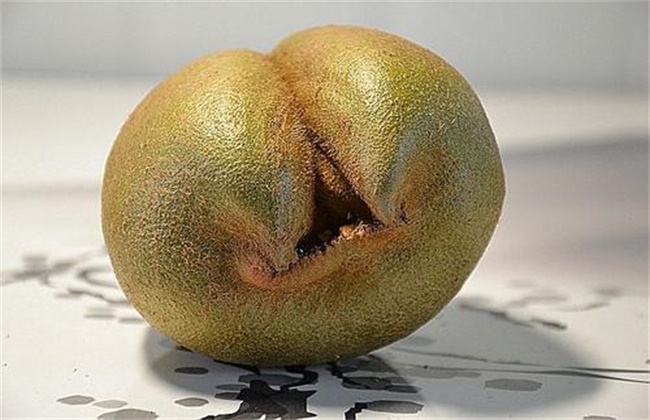
I. Causes of Deformed Kiwifruit
The main cause of deformed fruit in kiwifruit is incomplete pollination and fertilization, poor flower bud differentiation, and reduced flower quality, which result in deformed fruit. There are also many direct causes of poor pollination and fertilization in kiwifruit. For example, if the orchard is poorly constructed, relatively shaded, and has poor ventilation and light penetration, the flower bud differentiation of the fruit trees will be poor. During pruning, improper pruning that fails to properly handle the relationship between vegetative growth and reproductive growth can also affect the later growth and development of the fruit, causing deformed fruit.
II. Control Measures
1. Pay attention to flower and bud thinning
Because kiwifruit generally does not experience physiological fruit drop as long as pollination is sufficient, buds can be thinned. During the bud stage of the plant, the side buds of double buds and 3-flower buds, the buds at the base of fruiting branches, and diseased and pest-damaged buds can be removed, which can control the fruit load very well. Fruit thinning can be carried out within 40 days after the flowers fade, and the earlier the better. Mainly remove small fruits, deformed fruits, diseased and pest-damaged fruits, and injured fruits to ensure normal later fruit growth.
2. Nutrient selection during flower bud differentiation
Kiwifruit flower bud differentiation has two periods. One is the flower bud differentiation from June to August each year, which is physiological differentiation, and the other is the differentiation after sprouting and before flowering in the second year. To achieve large, uniform flowers and reduce deformed flowers, attention should be paid to the supply of nutrients such as boron, zinc, and phosphorus. Phosphorus deficiency can lead to fewer flowers; zinc deficiency can lead to weak and uneven flowers; boron deficiency can lead to deformed flowers.
3. Be cautious with hormones for fruit enlargement
Many farmers often use hormones to forcibly enlarge cells and promote fruit expansion. To make the fruit larger, they generally soak the fruit early. At this time, cell division is still insufficient, which can cause deformed fruit. Therefore, when soaking the fruit, attention should be paid to the concentration and timing, and nutrient supplementation should also be considered.
4. Pay attention to nutrient supplementation during the young fruit development stage
After the flowers fade, it is a period of rapid cell division. At this time, fruit retention requires a large amount of phosphorus. If the root system is not well developed and the soil is acidic or alkaline, phosphorus absorption will be poor. Then the development of young fruit will be hindered, fruit drop will increase, and the fruit will also be very prone to deformation.
The above is an introduction to the causes of deformed kiwifruit and control measures. I hope it can help you. If you want to learn more related knowledge, please follow us.