How to manage grapes during the bleeding period? Master these key points
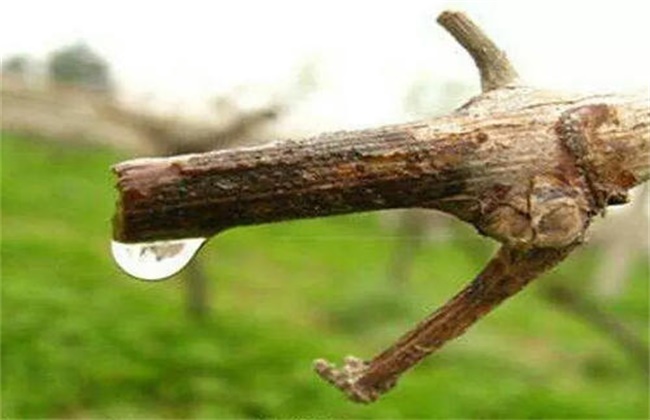
For grapes, the period from when sap begins to flow in early spring until bud break and leaf expansion is called the grape bleeding period. At this time, the grape root system begins to absorb water and nutrients from the soil, and the liquid in the tree body begins to flow. If pruning is improper at this time or a wound is accidentally caused, sap will flow out from the wound, which is the bleeding phenomenon. Bleeding contains a large amount of water and nutrients, and bleeding is extremely harmful to tree growth. In mild cases it reduces yield, and in severe cases the plant dies, so the grape bleeding period is extremely important. Let's take a look below.
1. Timely removal from soil
For grapes that were not covered with soil for cold protection, pruning should be completed before bleeding occurs, and the orchard should be cleaned and the vines put on the trellis. For grapes covered with soil for cold protection, timely removal from the soil is of great significance for healthy sprouting and vigorous growth. If removed from the soil too early, the root system has not yet become active, the branches and buds have already been dried out, and premature aging and frost damage may also occur; if removed from the soil too late when putting on the trellis, the buds are very easily knocked off, causing bleeding. The best time should be in early to mid-April, so that the plants gradually adapt to the external environment.
2. Timely watering
After the grapes are removed from the soil and put on the trellis, watering for bud break should begin. The amount of water should be enough to moisten the soil layer above 50 cm. In areas with spring drought and little rain, watering should be thorough in one go to meet the needs of sprouting and shoot growth. In non-buried areas, according to rainfall conditions, bud-promoting water should be irrigated well before budding.
3. Scientific fertilization
Fertilization during the grape bleeding period should mainly use quick-acting nitrogen fertilizer. Commonly used fertilizers include urea, monopotassium phosphate, potassium sulfate, boric acid, etc. Because grapes are relatively sensitive to chloride ions, chloride-containing fertilizers such as potassium chloride are not recommended. Grapes' demand for potassium far exceeds that for nitrogen fertilizer and phosphorus fertilizer, so more potassium fertilizer should be applied. For orchards that did not apply base fertilizer in the previous autumn and winter, at this time organic fertilizer can only be applied into the soil layer above 30 cm. Fertilization should not be too deep, so as to avoid damaging the roots and causing bleeding.
4. Increase soil temperature
The climate in early spring is changeable, rising and falling suddenly. After watering, low temperatures recover slowly, so after land preparation, fertilization, and watering, white plastic film should be fully covered between the rows to rapidly increase soil temperature. At the same time, it is necessary to eliminate weeds, reduce pests and diseases, maintain soil moisture, and improve soil structure.
The above is an introduction to the key points for managing grapes during the bleeding period. We hope it can help you. If you want to learn more related knowledge, please stay tuned to us.