What are the control measures for strawberry viral diseases?
Strawberry viral disease is one of the more difficult diseases to control during the strawberry growing period, and it often brings huge economic losses to farmers, so farmers should strengthen control measures against this disease. Now let's take a look together at the symptoms, causes and control measures of strawberry viral disease.
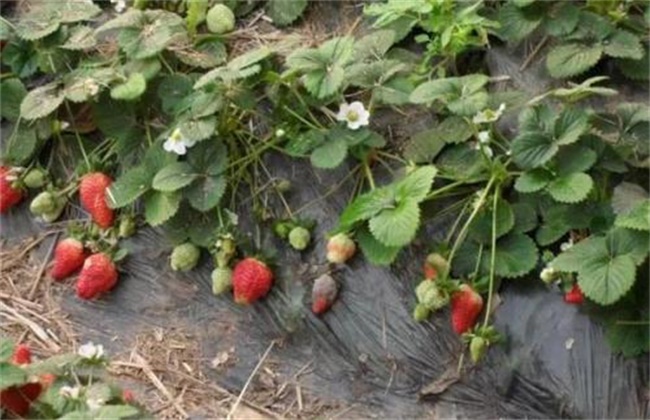
1. Symptoms
After strawberries are infected by a single viral disease, the symptoms are often not obvious. After combined infection by multiple viruses, they often show symptoms such as weak and degenerative growth, insufficient expansion of new leaves, dull leaves, loss of green color and yellowing, shriveling and distortion, plant dwarfing, few fruit set and low fruit yield. The symptoms of strawberry viral diseases vary. The common ones include Strawberry mottle virus, Strawberry mild yellow edge virus, Strawberry vein banding virus and Strawberry crinkle virus. The four types of symptoms differ, but they often lead to a decline in strawberry yield and quality.
2. Causes
There are many reasons for the occurrence of viral diseases in strawberries. First is the cause of seedlings. When planting, the seedlings carry viruses, which continue to multiply in the seedlings. Once the environment is unfavorable, the disease will soon develop, and it will also infect other plants through soil and water flow. In addition, pests such as aphids, thrips, tobacco whiteflies and nematodes can also be transmission vectors of viral diseases. When they damage strawberry plants, they may also transmit the virus. This is the most important reason why viral diseases are difficult to control. As long as pests exist, they can continue to spread the disease. In addition, high temperature and drought conditions can also easily induce viral diseases. The unfavorable environment of high temperature and drought can cause poor plant growth, reduce plant resistance, and make plants highly susceptible to viral diseases.
3. Control measures
In seed selection, choose disease-resistant varieties and plant virus-free seedlings. When introducing seedlings, strictly remove diseased seedlings, and do not introduce seedlings from severely diseased areas or severely diseased fields. After planting, strengthen field inspections. Once diseased plants are found, pull them out promptly and burn them. In the early stage of the disease, begin spraying. Commonly used agents include Zhibingling emulsion and Dukexing morpholine hydrochloride · copper wettable powder, applied every 10-15 days, for 2-3 consecutive times. In addition, aphid control needs to start from the seedling stage. For aphid control in greenhouses, it is best to choose botanical insecticides to reduce the harm to pollinating bees.
The above is an introduction to the control measures for strawberry viral diseases. We hope it can help you. To learn more related knowledge, please keep following us.