Pruning Techniques for Kadsura coccinea
In recent years, Kadsura coccinea has been a relatively popular fruit in China. It also has a fairly large planting area in China. When growing Kadsura coccinea, if you want to increase its yield, then management work is very important, especially pruning. Reasonable pruning is also the key to ensuring the yield of Kadsura coccinea. So how should Kadsura coccinea be pruned? Below, the editor brings you the pruning techniques for Kadsura coccinea. Let's take a look!
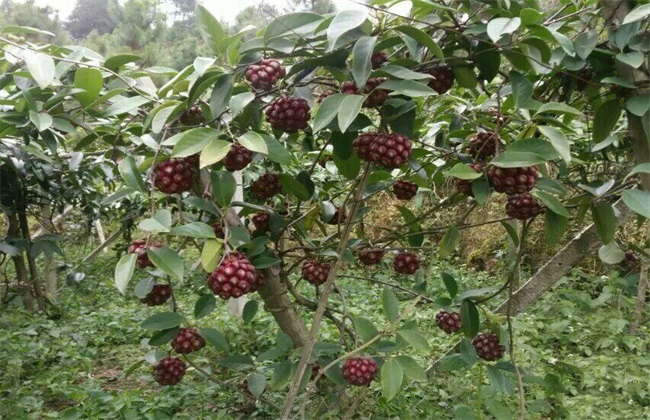
1. Pruning Key Points
Before pruning Kadsura coccinea, we must first understand the different uses of its branches. Generally, the main branches and water sprouts are the vegetative branches on the Kadsura coccinea plant, mainly used for adjusting the tree shape, while the side branches are the fruiting branches, mainly used for controlling fruit. Pruning mainly targets overly dense and vigorously growing branches, pest- and disease-infested branches, and weak branches. Keep about 3 thick, strong branches per tree for cultivation, and cut off excess basal shoots. Under normal circumstances, pruning should be carried out every year except in autumn, among which summer pruning and winter pruning are more important.
2. Summer Pruning
During summer pruning, the main focus is on removing sprouts, that is, wiping out the suckers growing from the Kadsura coccinea rootstock and the water sprouts sprouting from the trunk and main vines. Apart from keeping some as reserved branches, all the excess should be wiped out. Then, during the fruit-setting period, do the pinching work well. When the spring shoots grow to the semi-lignified stage, for water sprouts, pinch at the position of the tenth leaf. If they are vegetative branches, then pinch at the fifteenth leaf. If there is a second flush of shoots, then keep 3 leaves for pinching. And also thin out summer shoots that grow too densely and too long, to avoid affecting fruit growth.
3. Winter Pruning
Winter pruning mainly focuses on thinning branches, and the targets for thinning are water sprouts, overlapping and crossing branches, and pest- and disease-infested branches. For thick, strong branches of the current year, they can be cultivated into fruiting mother branches for the next year; according to actual conditions such as growth vigor and variety, keep about 10 buds and shorten them. If the branches grow weakly, then keep fewer buds; on the contrary, keep more. For fruiting mother branches that have reached three years of fruiting, they can be retracted to a place with strong branches and strong buds to renew them. If a water sprout bears fruit, then it should be shortened at the 3 buds at the fruiting position; the same applies to long and medium fruit branches. If it is a short fruit branch, then it may not be pruned.
4. Tying Vines and Thinning Flowers
In addition to doing the pruning work well, we must also do the work of tying vines and thinning flowers well. When tying vines, an open tree shape should be the main form, tying the Kadsura coccinea vines to the support. If it is a young tree, then you should also guide the growth direction of the main branches well, fixing them in the predetermined direction, so that they form a high-yield tree shape. Then, for some water sprouts with utilization value, pinch them to cultivate them into vegetative branches. Finally, according to the tree shape of the Kadsura coccinea plant, do the work of thinning flowers and fruits well to enhance fruit quality. The standard for fruit thinning is generally one fruit per 50 leaves.
The above is a brief introduction to the pruning techniques for Kadsura coccinea. That is all for today's introduction. This article is for reference only, and I hope it can help everyone!