What to Do About Stunted Passion Fruit Seedlings? Causes and Solutions
Passion fruit (Passiflora edulis) has been a popular fruit in recent years with good market returns, and many regions have begun introducing and cultivating it. However, some growers have found stunted seedling symptoms during cultivation, causing huge economic losses. So what should be done about stunted passion fruit seedlings? Let's take a look together.
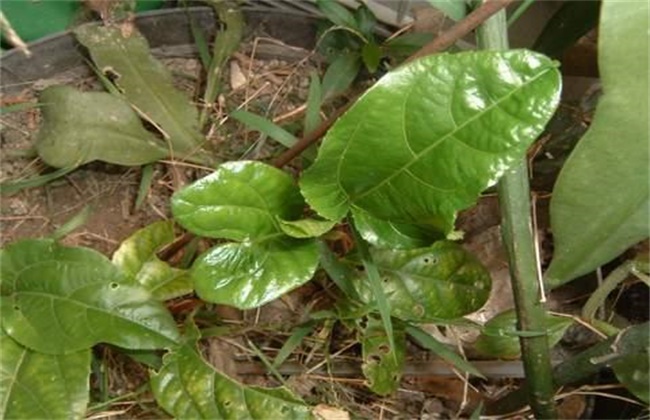
1. Choose strong seedlings
The root system is relatively weak. If the seedlings are grown in yellow clay soil, after transplanting to the field, if watering is not done carefully, the soil tends to harden, making it difficult for the fibrous roots to spread out and causing stunted growth. In addition, seedlings in non-woven bag yellow clay substrate are difficult to degrade and will also constrict the root system. After planting, diseased seedlings will also show mosaic and crinkled new leaves. Therefore, the seedlings are crucial. It is recommended to choose virus-free passion fruit seedlings with well-developed roots and strong, robust plants, which will yield twice the result with half the effort.
2. Avoid root damage
During the handling and planting of seedlings, root damage caused by human, mechanical or other factors and a long transplant recovery period can also cause stunted growth. In addition, if planted too deep, root extension will be blocked, which can also lead to stunted growth. Generally, the soil coverage height should preferably not exceed 1cm above the cup seedling soil. During transplanting, try to avoid root damage, and check the seedlings promptly after transplanting; once stunted seedlings are found, replant them in time.
3. Use fertilizers and pesticides reasonably
To promote the seedlings' recovery and subsequent growth and development, sufficient fertilizer is applied at transplanting, but some farmers apply fertilizer too close to the roots, which easily causes fertilizer burn. Or when using herbicides, improper pesticide mixing can easily cause phytotoxicity, with curled buds and even death. Therefore, when fertilizing, be careful not to let the roots directly contact the fertilizer, and herbicides must be used strictly and mixed reasonably according to the instructions.
4. Strengthen pest and disease control
Passion fruit is mostly transplanted in spring, which is exactly the season when pests and diseases are active. If root rot, Phytophthora and the like occur, it can cause stunted growth in mild cases and death in severe cases. In addition, attention should be paid to the control of underground pests, stem borers, thrips and other pests, which can be combined with soil preparation and fertilizing to nip pests and diseases in the bud.
The above is an introduction to what to do about stunted passion fruit seedlings. We hope it can help you. To learn more related knowledge, please stay tuned to us.