What effect does high-temperature weather have on passion fruit?
Passion fruit is a very common fruit in our daily lives, and its planting area in China is also very large. The nutritional value of passion fruit is also very high, so more and more people are growing it now. When growing passion fruit, we must pay close attention to weather changes. High-temperature weather in particular can have a great impact on the growth of passion fruit. So what exactly does high-temperature weather do to passion fruit? Let's take a look below!
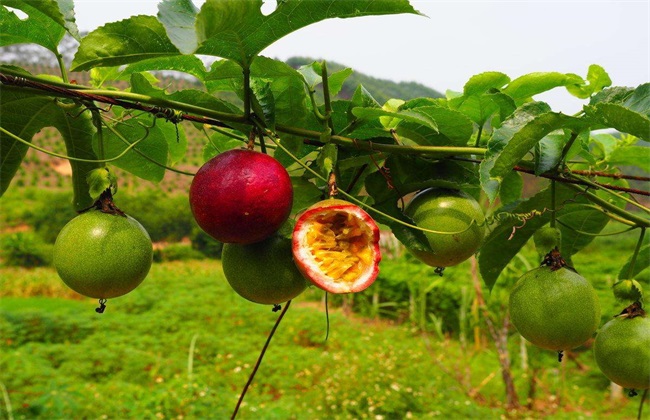
1. The impact of high-temperature weather
After passion fruit flower buds mature, under normal circumstances they will bloom at around eleven o'clock in the morning. When blooming, if the weather is hot, it will affect the pollination and fruit setting of passion fruit. On the day of blooming, the higher the temperature, the lower the pollination and fruit-setting rate. The bud stage of passion fruit generally lasts about three weeks, and the suitable temperature for growth during the flowering period is about 22 degrees. If the temperature is higher than 30 degrees, it will affect the physiological metabolism of passion fruit. This leads to malformed development of the floral organs of passion fruit. It will also cause the pollen tubes to shrivel, and the elongation of the pollen tubes of male flowers will also be affected, leading to a decline in the pollination and fertilization rate.
2. How to increase the fruit-setting rate in high-temperature weather
When growing passion fruit in high-temperature weather, pay attention to building a flat-topped trellis. After the flat-topped trellis is built, the coverage rate of branches and leaves in the field can reach about 80. This can prevent most of the soil from being directly exposed to sunlight. It inhibits the rate at which the field heats up, thereby achieving the purpose of increasing the fruit-setting rate. We can also appropriately grow grass between the rows of passion fruit plants, which can likewise lower the field temperature. It inhibits water evaporation and can also serve the purpose of supplying water. This prevents a decline in the fruit-setting rate caused by a lack of water in passion fruit.
Then also pay attention to applying sufficient fertilizer, as fertilizer is one of the main ways for passion fruit to obtain nutrients for growth. When topdressing, pay attention to the nutrient ratio in the fertilizer, ensure the fertilizer is diverse, and provide sufficient growth nutrients for passion fruit. This is because during the flowering period of passion fruit, if the temperature is above 30 degrees, it is very unfavorable for the pollination and fertilization of passion fruit. Therefore, during the flowering period, if the temperature is too high, we should promptly spray water to cool it down, and artificial pollination can be carried out during flowering to increase the fruit-setting rate.
3. Artificial pollination
Artificial pollination is a key measure for increasing the fruit-setting rate of passion fruit in high-temperature weather. This is because passion fruit pollen gradually loses its vitality under high-temperature weather, and the self-pollination rate will therefore decline, so artificial pollination work is essential. However, we can spray an appropriate amount of bee attractant in the field to lure bees and use bees for pollination. This can increase the fruit-setting rate by about 30%, and spraying bee attractant can also increase humidity and the stickiness of the female flower stigma. This prevents the pollen tubes from shriveling, thereby achieving pollination and fertilization.
The above is a brief introduction to the impact of high-temperature weather on passion fruit. That's all for today's introduction. This article is for reference only, and I hope it can help everyone!