A Detailed Guide to the Cultivation Techniques and Management Methods of Crispy Kumquat
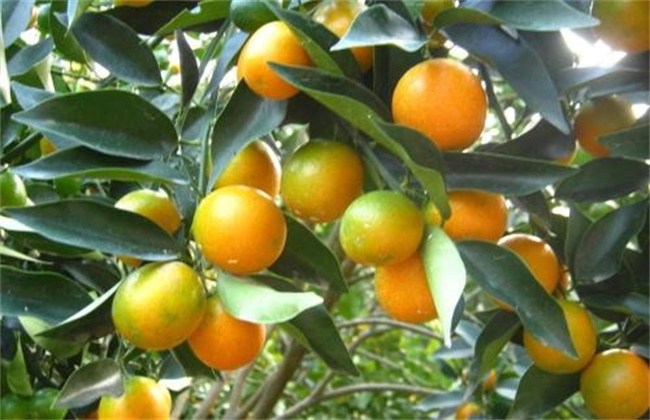
Crispy kumquat is a high-quality variety of kumquat. Its fruit turns orange-yellow when ripe and tastes sweet and fragrant. It is sweeter than ordinary kumquats and also has relatively high nutritional value. Moreover, it is drought-resistant and high-yielding, and there is strong market demand for it. So how should crispy kumquat be cultivated? Let's take a look together.
1. Site Selection and Orchard Establishment
When selecting a site, it is recommended to choose slightly acidic to neutral sandy loam soil. For planting, it is best to concentrate the plots into contiguous blocks, and to establish the orchard on a plot with convenient transportation and ample water sources. Before planting, the transplanting holes need to be dug well, and organic fertilizer such as decomposed pig manure or pig and cattle manure should be applied in each hole. Pay attention to the application rate of chemical fertilizer to avoid root rot.
2. Planting
When planting, it is advisable to choose seedlings of an authentic variety with well-healed graft unions, dark green leaves, and relatively well-developed and robust roots and stems. Place the healthy seedlings into the transplanting holes and hold them upright, spread out their roots and stems, and do not let them come into direct contact with fertilizer to avoid burning the roots. Then cover with soil, and the soil must be firmly compacted. After transplanting, water thoroughly once more to help the roots survive.
3. Post-Planting Management
Post-planting management is key to the survival of the seedlings. Crispy kumquat likes to grow in moist environments but is afraid of waterlogging, so within one month after planting, watering work should be done well, and the watering frequency should be reasonably determined according to climate changes. If planting in rice fields, attention should be paid to drainage to avoid waterlogging and root rot. In addition, during the growth and development of the main stem, attention should be paid to the application of base fertilizer as well as phosphorus and potassium fertilizers.
4. Pest and Disease Control
During the growth of crispy kumquat, pest and disease damage is unavoidable. Because crispy kumquat has relatively strong resistance, there are fewer diseases. The main disease is anthracnose, while the main pest is planthopper. Anthracnose can be controlled by spraying with 0.5% Bordeaux mixture at the double-strength rate, while for planthoppers in the early stage, pesticides such as mite-killing agents, acaricides, and pyridaben can be sprayed alternately.
The above is an introduction to the cultivation techniques for crispy kumquat. We hope it can help you. If you want to learn more related knowledge, please keep following us.