How to improve the survival rate of strawberries after winter transplanting
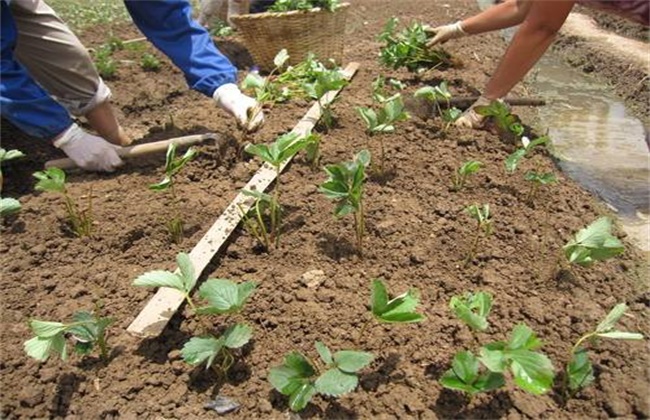
Strawberries are a fruit that everyone loves. They are originally a summer fruit, but many can also be cultivated in winter through greenhouse technology, which allows for higher profits. However, winter temperatures are relatively low, and many growers encounter a low survival rate when transplanting in winter. So how can the survival rate of strawberries be improved after winter transplanting? Let's take a look.
1. Regulate temperature and humidity
Winter temperatures are relatively low, which is extremely unfavorable for strawberry transplanting. Therefore, when the nighttime temperature drops to 5°C, boron should be applied inside the greenhouse in a timely manner, and when the nighttime temperature drops below 0°C, small hoop frames should be promptly added over the strawberry ridges. Because greenhouse-cultivated strawberries bloom and bear fruit continuously and in an overlapping manner, after bud emergence the daytime temperature inside the greenhouse should generally be maintained at 24-28°C and must not exceed 30°C, otherwise it is unfavorable for strawberry survival.
2. Cover with film
After transplanting, after carrying out weed removal, soil loosening, hilling around the roots, and replanting missing seedlings, black plastic film needs to be laid on the ridge surface. When laying it, first cover the ridge surface plants with the plastic film, then tear a small hole in the film, and then carefully pull the leaves out through it. Be sure to expose the central leaves of the seedlings.
3. Tidy the plants
After greenhouse strawberries are kept warm, plant growth accelerates, and at the same time a large number of tillers and runners will sprout. These tillers and runners should be removed in a timely manner to increase the area of the main stem and promote the timely germination of the terminal flower buds and the production of robust inflorescences. Generally, a single strawberry plant should retain at most 1-2 relatively robust tillers, and old leaves, declining leaves, and leaves damaged by pests and diseases should also be removed in a timely manner.
4. Pest and disease control
There are many pests and diseases during the seedling stage in greenhouses. Control should focus mainly on agricultural control, with chemical control as a supplement. During cultivation, measures such as selecting varieties with strong disease resistance, cultivating virus-free robust seedlings, planting on high ridges, covering with plastic film, reasonable crop rotation, cleaning the soil, and avoiding drought and high humidity can be chosen to prevent the occurrence of pests and diseases. After diseases are found, note that pesticides should not be used around flowering, so as to avoid affecting pollination and increasing the number of deformed fruits. Highly effective, low-toxicity, and low-residue pesticides should be selected.
The above is an introduction to how to improve the survival rate of strawberries after winter transplanting. We hope it can help you. To learn more related knowledge, please stay tuned to us.