A Detailed Guide to Black Peach Planting Techniques and Management Methods
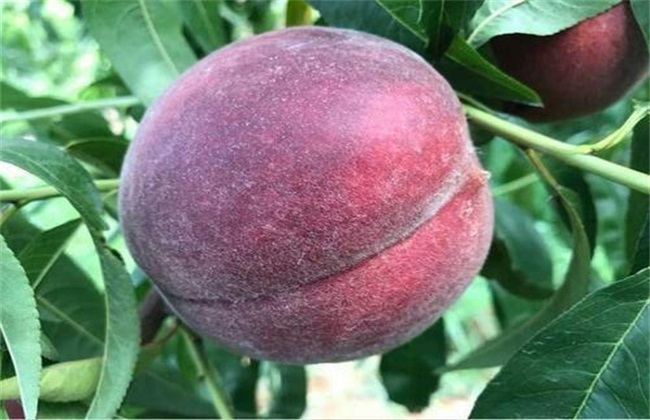
Peaches are a relatively popular fruit, but you may know less about black peaches, even though many of the ones sold in the market now are black peaches. So how should this kind of peach be planted? Let's take a look below at black peach planting techniques, so you can gain another skill.
1. Soil Selection and Land Preparation
A good orchard plot must be high quality, otherwise the fruit yield may not be ideal. When choosing a site, fertile soil is best, because black peach trees have a relatively high demand for soil fertility. There should be no obstructions nearby, and it is best to be in a relatively open area, so that when the trees bear fruit they can absorb sufficient sunlight. Second, there should be no large stones in the soil, and the soil texture should be relatively loose, which is beneficial for root expansion in the early stage. When leveling the land, drainage ditches should be reserved to facilitate later orchard management and drainage.
2. Planting
Black peach trees do not grow very tall later on, and the planting spacing is generally around 3*2 m. When planting, it is recommended to choose saplings for planting, as methods such as cuttings require relatively high technical skill. The planting pit should be about half a meter deep and about 0.6-0.8 m wide. First mix the base fertilizer evenly with the soil in the pit, then place the sapling in; the base fertilizer should mainly be decomposed manure. After filling with soil, be sure to water, and the first watering should be thorough, so that in the early stage the black peach seedlings will basically not lack water.
3. Orchard Management
After the black peach seedlings are planted, orchard management needs to begin. Here the main focus is on fertilizer and water and on the growth of the trees. In terms of fertilizer and water, the main thing is to appropriately increase them for some poorly growing seedlings, trying to keep the growth of the fruit trees balanced. In terms of the trees themselves, the main focus is on pests and diseases and weeds. In the early stage, do not prune the seedlings easily, as black peach seedlings are relatively fragile at this time and pruning can easily cause problems. Second, these weeds can easily take away nutrients from the seedlings, so they need to be cleared regularly. For pests and diseases, try to use pesticides to solve the problem.
4. Pruning
Pruning in the early stage is mainly to make the black peach tree grow taller, while later pruning is to make it bear more fruit. This pruning goal must be clear. In early pruning, the main focus is on pruning some miscellaneous branches on both sides, so that more branches can grow toward the sun, which can produce more flower buds. Later pruning is to balance the distribution of the branches, so that the main branches grow better and can bear more fruit. When many fruits are completely shaded by leaves, they also need to be appropriately cleared, which will make the fruits grow better.
The above are the planting techniques for black peach trees. In fact, black peach trees mainly place more importance on orchard management, as this has a relatively direct impact on fruit growth. When planting, everyone should still make appropriate adjustments according to the local actual conditions; only such techniques are the most suitable for oneself.