What are the management precautions for apricot trees after fruit harvest?
After bearing a large fruit load, apricot trees have consumed a great deal of nutrients, and after harvest they face flower bud differentiation, so they need a large supply of nutrients. At this time, fertilizer must be applied in time to replenish the consumed nutrients, so that there are enough nutrients for flower bud differentiation. But in addition to this, attention should also be paid to the following aspects. Let's take a look.
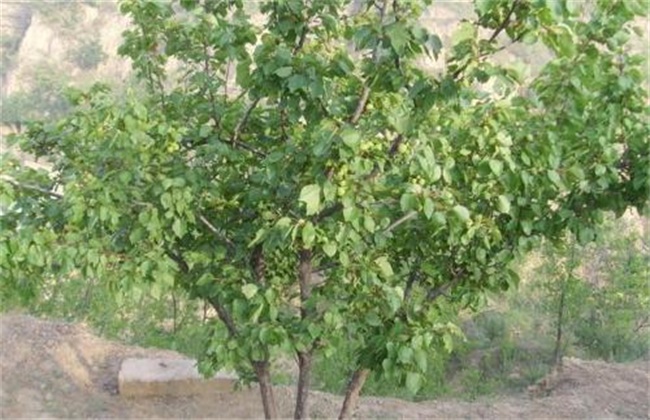
1. Pruning
After harvesting the fruit, apricot trees must be pruned once. Remove dead branches and broken branches. For branches that become weak and drooping after fruiting, carry out renewal pruning by cutting back. For water sprouts inside the canopy, promptly pinch off the tips and twist the shoots and take other measures to inhibit their vegetative growth. For branches with no room to grow, remove them all to avoid unnecessary nutrient consumption. Erect branches, crossing branches, overlapping branches, as well as diseased and pest-damaged branches and thin weak branches should all be cut off in time to save nutrient consumption. For branches and trunks with a small spreading angle, it is very easy to use the methods of tying branches or pulling branches to widen the angle, so as to promote an increase in the plant's crown spread and lay a solid foundation for high and stable yields.
2. Strengthen soil and fertilizer management
After harvesting the fruit, apricot trees should be cultivated and loosened in time, generally to a depth of 5-10 cm. Before the plants drop their leaves, apply base fertilizer in combination with deep plowing, with the depth of the base fertilizer preferably 30-40 cm. After harvest, apply a quick-acting chemical fertilizer once in time; applying 0.5 kg of urea per plant is sufficient, then water. The base fertilizer applied at autumn leaf fall should mainly be farmyard manure, matched with an appropriate amount of phosphorus and potassium fertilizer. In addition, apricot trees are not tolerant of waterlogging. When the rainy season comes, drain accumulated water in time to avoid disease infection or root rot. When applying fertilizer, clean up the weeds, fallen leaves, rotten fruit, and diseased and pest-damaged fruit in the orchard, and either bury them deeply or burn them, as this can reduce the base number of pests and diseases.
3. Prevent and control pests and diseases
After fruit harvest, apricot trees are in a period of high incidence of pests and diseases. Pesticides should be sprayed reasonably according to the actual situation to protect the leaves and accumulate more nutrients. For aphids, fenvalerate can be used for control. Red spider mites can cause early leaf drop in apricot trees, affecting flower bud differentiation the following year and resulting in low yields the next year; pyridaben or abamectin can be used for control.
4. Spray growth regulators
After harvesting the fruit, apricot trees can be sprayed 1-2 times with a paclobutrazol solution, which can be mixed with a low-concentration urea solution and potassium dihydrogen phosphate solution for spraying, to promote flower bud differentiation. Before the soil freezes in autumn and winter, it is very easy to water once with freezing water to ensure the apricot trees overwinter safely.
The above is an introduction to the management precautions for apricot trees after fruit harvest. We hope it can help you. If you want to learn more related knowledge, please follow us.