What Causes Rotten Fruit on Apricot Trees? Detailed Explanation of Prevention and Control Measures
Apricot is one of the main cultivated fruit trees in the north. Many of us may never have eaten an apricot, but we have certainly eaten almonds. During the cultivation of apricot trees, the problem of rotten fruit often occurs, greatly affecting the yield of apricot trees. So what causes rotten fruit on apricot trees? How should it be prevented and controlled? Let's take a look together.
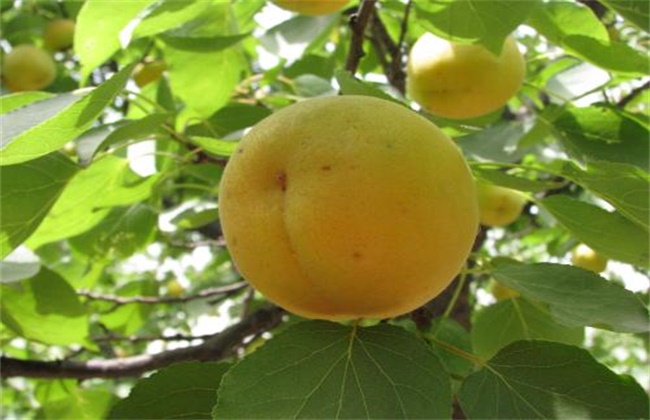
1. Greenhouse temperature too high
During the young fruit stage of apricot trees, if the greenhouse temperature exceeds 28 degrees, the evaporation inside the greenhouse will be relatively high, forming water droplets inside the greenhouse. When these water droplets fall onto the surface of the young fruit, rotten fruit may occur.
Prevention and control methods: Improve the lighting conditions of the greenhouse and control temperature and humidity. If an old greenhouse is used for cultivation, dust should be removed from the surface of the greenhouse film in a timely manner to increase its light transmittance. On cloudy or rainy and snowy days, fluorescent lamps should be installed inside the greenhouse to supplement lighting and increase temperature. On sunny days, attention should be paid to ventilation to keep the greenhouse temperature at around 28 degrees.
2. Pathogen infection
Many fruit growers believe that under greenhouse cultivation, there is no wind, rain or insects to spread pathogens, so the plants will not suffer from diseases. Therefore, they are relatively careless in the process of pest and disease control, not spraying or spraying little fungicide, which leads to severe pest and disease problems on apricot trees and causes rotten fruit.
Prevention and control measures: Under greenhouse cultivation, because ventilation and air permeability are not as good as in open fields, pest and disease control should be done with more care. Pesticides should be sprayed in a timely manner according to the different growth stages of apricot trees for protection. During the bud break stage, lime sulfur mixture can be sprayed several times; after flower drop, thiophanate-methyl can be sprayed; during the fruit expansion stage, carbendazim solution can be sprayed; and during the new shoot growth stage, mancozeb can be sprayed, which can effectively prevent and control the occurrence of diseases.
3. Attachments on the fruit surface
Greenhouse cultivation has poor ventilation conditions and relatively high humidity. After apricot flowers fade, many petals do not fall off but directly attach to the fruit surface. As the fruit grows and expands, the petals absorb moisture when exposed to dampness, and the parts in contact with the petals remain in a moldy and damp state for a long time, causing the fruit to rot.
Prevention and control measures: After flower drop, remove the attachments on the surface of the fruit trees and keep the fruit surface clean. This can reduce the occurrence of rotten fruit on apricot trees.
The above is an introduction to the causes of rotten fruit on apricot trees and prevention and control measures. We hope it can help you. If you want to learn more related knowledge, please stay tuned to us.