How to prune chestnut trees in summer? Detailed pruning methods
Chestnut is a fruit with very high economic value. It can not only be eaten, but also used as a vegetable in cooking, and it also has certain medicinal effects. Its market in our country is still relatively large, so more and more people are now growing chestnut trees. When growing chestnut trees, we should pay attention to doing a good job of summer pruning. So how exactly should it be done? Below, the editor brings you the summer pruning methods for chestnut trees. Let's take a look!
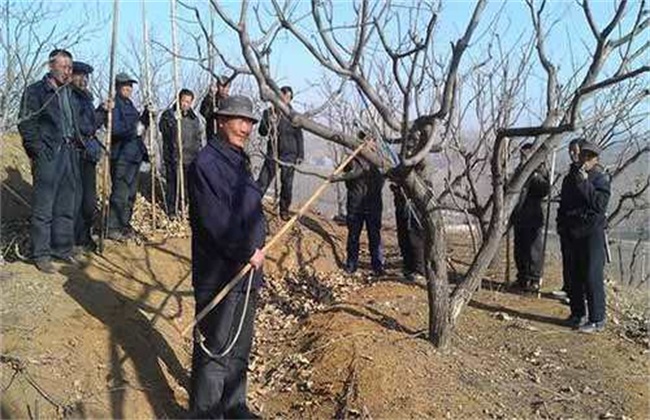
1. Pinching
For chestnut trees within 3 years after grafting, we should pinch them in summer, mainly to train the tree shape of the chestnut tree. Generally in mid-May, we should pinch the vigorously growing branches on the chestnut tree about three times. When the new shoots grow to 0.5 m, pinching can begin, removing about 2 cm of the tender tip at the top of the new shoot. Then, when the branches grow to 30 cm, carry out the second pinching, and finally after the Mid-Autumn Festival remove the newly grown autumn shoots. The purpose of doing this is mainly to dwarf the crown, promote branch growth, advance the fruiting time, and increase yield.
2. Branch bending and angle opening
Young chestnut trees have a relatively strong apical growth advantage, so we should carry out branch bending and angle opening on some upright-growing perennial branches and auxiliary branches. When bending branches and opening angles, the angle should be kept at about 65 degrees. In addition, on both sides of the branches, about every 30 cm, make cuts above and below the buds, with the depth of the cuts mainly reaching the xylem. Increase the number of branches, so that after treatment the branches can sprout thick new branches, and when fruiting the next year, the phenomenon of bare branches can be avoided.
3. Bud removal and male flower thinning
When the buds grow to the size of a soybean, about 5 plump buds should be selected and retained on the outer upper part of the developing branches on the plant. About 3 should be retained on the middle and lower parts, and then all excess buds should be removed. Based on the principles of removing large ones and keeping small ones, and removing lower ones and keeping upper ones, concentrate the nutrients and reduce the phenomenon of female flower abortion. Chestnut male flower inflorescences are relatively numerous, so the amount of pollen is also relatively large, leading to excessive nutrient consumption. In order to increase the number of female flowers and the fruit-setting rate, when the male inflorescences grow to about 4 cm, all male flowers under the mixed inflorescences should be removed, and only about 10% of the male flowers should be retained.
4. Branch thinning and bur thinning
In summer, we should also promptly thin out some sprouting branches inside the canopy of the chestnut tree, mainly weak-growing and slender nutrient branches. Then we should do a good job of thinning burs, with the first time in July. Retain about 3 burs on vigorously growing branches, and about two on strong fruiting branches. If they are weak fruiting branches, then all should be removed. Then carry out the second thinning before the Mid-Autumn Festival, mainly to thin again the burs missed in the first thinning, with an average of about two burs retained per branch of each tree.
The above is a brief introduction to summer pruning methods for chestnut trees. That is all for today's introduction. This article is for reference only, and I hope it can help everyone!