What are the measures to prevent winter freeze damage in chestnut trees?
Chestnut is a relatively common food in China, and its wild distribution is mainly in the south. Of course, it also has a considerable planting area. When growing chestnuts, management work is certainly very important. Especially in winter, because winter temperatures are very low, if management is not in place, chestnut trees are extremely prone to freeze damage. Therefore, the editor below has brought you measures to prevent winter freeze damage in chestnut trees. Let's take a look!
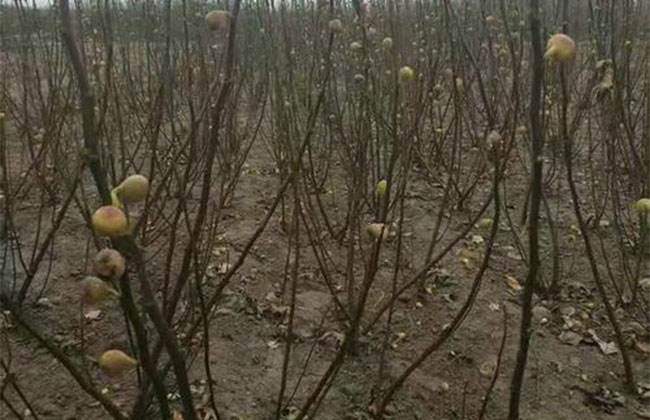
1. Orchard cleaning for freeze prevention
At the end of autumn and the beginning of winter each year, it is the leaf-fall period for chestnuts. The main harvest time for chestnuts is generally in October, but although they have already been harvested, there will still be some scattered chestnut fruits on the branches when the leaves fall. Therefore, if you want to ensure that chestnut trees overwinter safely, orchard cleaning work is very important. First, pick all the fruits, then prune out old, diseased and dead branches, and some weak-growing branches should also be pruned along the way. Improve the ventilation inside the tree, then burn the fallen leaves and dead branches in a centralized manner.
2. Plowing the woodland
Then carry out shallow plowing for young chestnut trees, keeping the depth at about 15cm. If they are adult trees that have already borne fruit, then deep plowing and hole expansion should be carried out, and an appropriate amount of humus soil should be added to create a good growing environment for the root system. The deep plowing depth for adult chestnut trees should be kept at about 32cm. When deep plowing, be careful not to damage the roots of the chestnut trees. Also do a comprehensive tidying job, keep soil and water conservation facilities undamaged, avoid soil erosion on rainy days, which lowers soil temperature and causes chestnut trees to suffer freeze damage in winter.
3. Reasonable fertilization
Before entering winter, after harvesting, we should do a good job of applying base fertilizer. The fertilizer should be mainly farmyard manure, combined with an appropriate amount of chemical fertilizer. By the trench application method, dig ring-shaped trenches around each tree and apply the fertilizer into them. The depth and width of the trenches should be kept at about 40 cm. Then control the amount of fertilizer according to the tree age and growth vigor. For example, if it is a large tree in full fruit stage with a yield of about 20kg, then about 120kg of fertilizer should be applied. After fertilizing, earth up promptly, which not only allows the root system to absorb effectively, but also achieves the purpose of raising soil temperature.
4. Bark scraping and whitewashing
Bark scraping and whitewashing is also an effective measure to prevent winter freeze damage in chestnut trees. As long as chestnut trees are more than ten years old, bark scraping can be carried out on them, generally after fruit harvest. If it is in northern regions and other areas with very low temperatures, then bark scraping should be done in early spring on alkaline [sic]. This is because pests and bacteria lurk in the cracked bark and old bark of the trunk and main branches of fruit trees, which has a great impact on tree growth, leading to reduced cold resistance and the occurrence of freeze damage. After scraping the bark, whitewash the large branches and trunk of the chestnut tree, which can both prevent freezing and prevent pests and diseases.
The above is a brief introduction to measures to prevent winter freeze damage in chestnut trees. That is all for today's introduction. This article is for reference only, and I hope it can help everyone!