The Best Time and Methods for Thinning Branches on Apple Trees
Apple is a very common fruit with extremely high nutritional value, and it is grown on a very large area in our country. When growing apple trees, we must pay attention to management tasks such as pruning and branch thinning, fertilizing and watering. Branch thinning in particular has a very big impact on apple yield and fruit quality. So today, the editor brings you the branch thinning time and methods for apple trees. Let's take a look below!
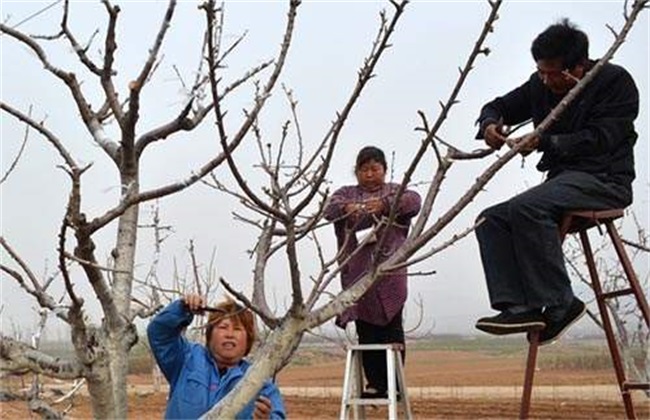
1. The role of branch thinning
Apple branch thinning is generally carried out during winter pruning and summer pruning. Reasonable branch thinning can improve the light conditions of the branches in the inner canopy and provide sufficient nutrients for nearby branches. After thinning, it can inhibit the branches in front of the wound, while it can promote the branches behind the wound. For the entire apple tree, if there is a relatively large amount of thinning in the upper part of the plant, then the growth advantage that originally belonged to the top will begin to shift to the lower branches, improving the growth capacity of the lower branches. Conversely, if there is more thinning in the lower part, then the growth capacity of the upper branches will be strengthened. And because the amount of branches and leaves is reduced, it can moderate the thickening growth of the mother branch.
2. Branch thinning time
The suitable time for thinning apple tree branches is generally during the growth period and dormant period of the apple tree, and some useless root suckers can also be thinned in spring. After the fruit is harvested and before the leaves fall, branch thinning is best, because at this time the leaves of the canopy are complete, and the canopy permeability can be effectively assessed. After thinning large branches, the canopy light can be effectively improved, the growth capacity of the leaves can be enhanced, and the growth of flower buds can be promoted. It can also increase the healing speed of wounds, reduce the harm of pests and diseases, share the workload for winter pruning, and at the same time will not excessively weaken the growth vigor of the apple tree.
3. Branch thinning methods
First, we should thin out the main branches that grow too many, too densely, and are located too low. Many apple orchards have phenomena such as too many low and dense main branches, causing the apple trees to be "choked at the neck." When pruning, we should pay attention to carrying out branch thinning in a planned way according to the growth years. Usually, prune about two branches with the greatest impact each year, maintain the growth vigor of the central trunk, and improve sufficient light. Then we should also pay attention to thinning out competitive branches, because the angle between competitive branches and the trunk is generally not very large. Their utilization rate is relatively low, so do not hesitate to thin them out in time. For perennial large branches, if the thickness is greater than 1/3 of the trunk, then they should also be thinned out in time.
Then the large branches on single-axis extension branches should also be thinned out in time. In addition, branches with relatively strong growth on the main branches usually also need to be thinned out, so as to facilitate the work of suppressing the front and promoting the rear, allowing the branches to sprout into small branches and improving the survival rate. In addition, some back branches and water sprouts should also be thinned out in time to avoid consuming too many nutrients, moderate the growth vigor of the apple tree, and provide a good light environment. Finally, for some whose fruiting time exceeds 5 years and whose branch diameter exceeds 5 cm, they should all be thinned out. Because they will not only consume a large amount of nutrients, but also have a great impact on the development of the entire tree shape. Some pest-diseased, crossing and overlapping, and diseased branches are naturally also not to be ignored.
The above is a brief introduction to the branch thinning time and methods for apple trees. That is all for today's introduction. This article is for reference only, and I hope it can help everyone!