What are the symptoms of nutrient deficiency in kiwifruit
Kiwifruit, also known as the Chinese gooseberry, is a relatively popular fruit in China. Therefore, there are quite a lot of people growing kiwifruit now. When growing kiwifruit, we need to pay attention to doing a good job of fertilization. This satisfies the growth nutrients needed for kiwifruit growth. However, many people overlook the application of trace elements, causing nutrient deficiency symptoms to appear during kiwifruit growth and affecting the yield and quality of kiwifruit. So what nutrient deficiencies occur in kiwifruit? Let's take a look below!
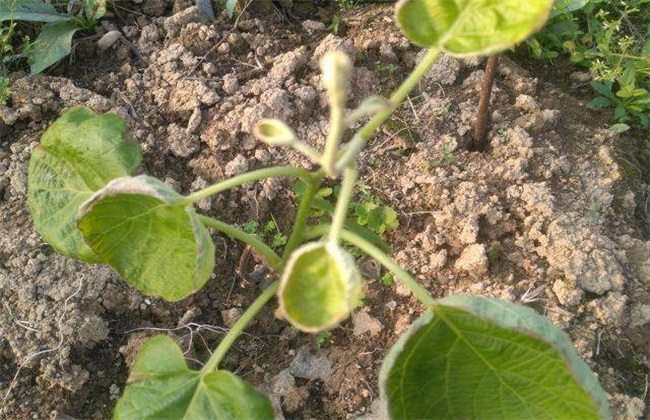
1. Calcium deficiency
Calcium is an important element in the composition of plant cell walls and can improve the photosynthesis of kiwifruit trees. Reasonable calcium can prolong the aging time of kiwifruit fruits and enhance the hardness and storability of kiwifruit. If kiwifruit lacks calcium, the color of the leaf veins at the base of mature leaves begins to fade and gradually necroses, forming necrotic patches. Then leaf withering and leaf drop gradually appear, causing the death of shoots. In severe cases, it affects root growth and causes root tip death. An appropriate amount of superphosphate, calcium nitrate, etc. should be applied to the soil to prevent calcium deficiency.
2. Magnesium deficiency
Magnesium is also very important for the growth of kiwifruit. It has the function of regulating the plant's photosynthesis and hydration. Reasonable magnesium can promote fruit expansion and improve fruit quality. When growing kiwifruit, magnesium deficiency is relatively common. It generally appears on mature leaves of the current year, where the color between the veins and at the leaf margins gradually turns yellow-green. However, there is not much effect from the base to the petiole. Generally, the reasonable magnesium content of leaves should be around 0.4%. If the magnesium content in new leaves is lower than 0.1%, it will cause leaf chlorosis and necrosis, forming horseshoe-shaped leaves.
3. Sulfur deficiency
Sulfur is also an indispensable nutrient in the growth process of kiwifruit trees. It is mainly composed of amino acids and enzymes, and is very closely related to nutrients such as carbohydrates, fats, and proteins in the kiwifruit tree. If kiwifruit lacks sulfur, the growth rate will decrease significantly, the color of young leaves will be mainly light green, and chlorotic patches will gradually expand. In severe cases, the vein network of young leaves will all show chlorosis, and the veins will also become chlorotic, but the leaf margins will not scorch. If sulfur deficiency occurs, an appropriate amount of fertilizers such as ammonium sulfate and potassium sulfate can be sprayed for supplementation.
4. Chlorine deficiency
Chlorine, like magnesium, has a relatively large relationship with photosynthesis and hydration in kiwifruit trees. Kiwifruit trees are relatively sensitive to changes in chlorine content. When chlorine is deficient, chlorosis first appears on the main and lateral veins at the top of old leaves. Old leaves show leaf curling and rolling back, the area of young leaves decreases, and root growth rate declines. The position about three centimeters from the root end becomes swollen, mainly because rain washes away chlorine and causes chlorine deficiency. If chlorine deficiency occurs, fertilizers such as potassium chloride should be applied appropriately.
The above is a brief introduction to what nutrient deficiencies occur in kiwifruit. In addition to the above, many elements such as manganese, iron, boron, zinc, copper, and sodium can also show deficiency symptoms. Therefore, everyone must pay close attention.