How to manage winter jujube during the ripening period? Keep these key points in mind
It is now the ripening and marketing season for winter jujube. Although at this time winter jujube does not need as much nutrients and water as in the earlier stage, it is still the most critical period. Management during the ripening period directly affects fruit quality and yield. So how should winter jujube be managed during the ripening period? Let's take a look.
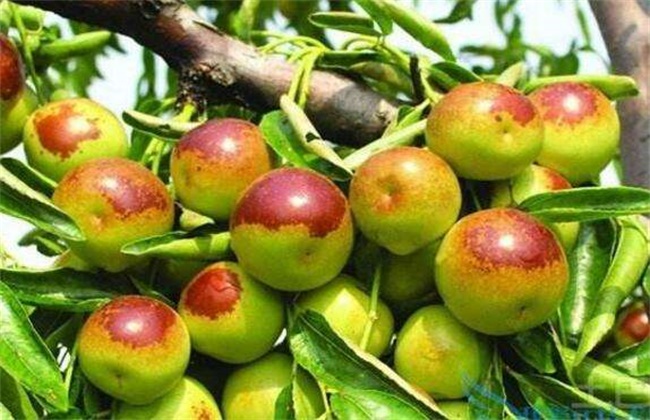
1. Improve fruit surface smoothness
The smoothness of the winter jujube fruit surface is affected by temperature, light and moisture. In addition, spraying pesticides at too high a concentration can also affect fruit surface smoothness. Chelated titanium fertilizer can be used to improve the stress resistance of the fruit, reduce the effect of pesticides, and improve fruit surface smoothness. In addition, timely intertillage and soil loosening, weed removal and branch propping should also be carried out. The main winter jujube production areas in China are in the north. After rainfall in late summer and early autumn, the soil becomes severely compacted, so timely intertillage and soil loosening and weed removal are needed to improve soil permeability, increase root absorption capacity, and improve fruit quality and yield. When the fruit trees bear a large number of fruits, propping the branches can prevent the jujube trees from being overloaded and breaking the branches.
2. Strengthen fertilizer and water management
During the stage from color turning to ripening of winter jujube, its demand for fertilizer and water is not as great as during the fruit expansion period, but sufficient water should still be ensured, and nutrients needed for normal growth should also be supplemented in time. At this time, fertilization mainly includes base fertilizer and foliar fertilizer. The base fertilizer is mainly high-potassium fertilizer to promote fruit expansion and color turning, while the foliar fertilizer can be sprayed with chelated titanium fertilizer and potassium dihydrogen phosphate to increase fruit sweetness.
3. Prevent and control pests and diseases
During the ripening period, pest and disease control should not be taken lightly either. Common pests and diseases at this time include red spider mite, fruit borer, mirid bug, fruit shrink disease, anthracnose, brown spot disease, and so on. Commonly used control agents include those for red spider mite, fruit borer, mirid bug, fruit shrink disease, anthracnose, brown spot disease, and so on. When controlling pests, pesticides should be used alternately to avoid resistance.
4. Guard against natural disasters
During the ripening period of winter jujube, it is necessary to guard against natural disasters. At this time, temperatures drop sharply and severe weather is likely to occur, so changes in the weather should be followed in time. When natural disasters such as strong winds, heavy rain and hail occur, preventive measures should be taken promptly to minimize the damage to jujube trees caused by natural disasters.
The above is an introduction to the key management points for winter jujube during the ripening period. We hope it can help you. If you want to learn more related knowledge, please keep following us.