Mulberry Tree Pruning Techniques: Key Points and Methods Explained
Mulberry is a fairly common fruit in our daily lives, and its planting area in China is relatively large. When growing mulberries, doing a good job of management is very important. This is especially true for pruning the mulberry tree, as the quality of pruning directly affects the yield of mulberries and the quality of the fruit. So how exactly should a mulberry tree be pruned? Below, the editor brings you the pruning techniques for mulberry trees. Let's take a look!
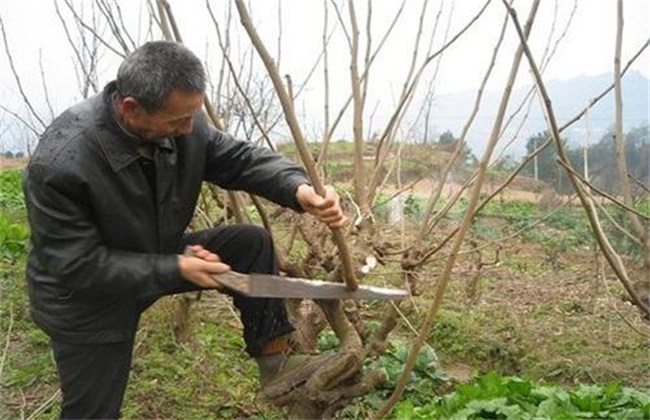
1. Removing buds and thinning shoots
In early spring or after summer pruning, the mulberry tree should have some tender buds sprouting from the branches appropriately removed. This is called bud removal or bud thinning. When the plant's new shoots begin to grow rapidly, the overly dense new shoots should be thinned out in time, mainly to reduce the number of branches on the plant, enhance light exposure, and improve air circulation and photosynthesis. This is very beneficial to the tissue differentiation of the mulberry tree, and can increase the number of flowers and fruits and enhance fruit quality.
2. Summer pruning
After the mulberries mature and are harvested, because most of the nutrients have left the tree along with the fruit, a period of time is needed for the tree to recover its growth. After harvesting, all the upper part of the mulberry tree should be cut off at a position about 25 cm above the ground. This is what we commonly call summer pruning, and summer pruning is not suitable for all mulberry trees. It is mainly suitable for some mulberry orchards with relatively high planting density. When summer pruning, it should be carried out according to the requirements for tree shape training and the required number of fruiting mother branches for the next year.
3. Pinching and cutting shoot tips
Pinching and cutting shoot tips is also a pruning method often used on mulberry trees. It is mainly to promote the sprouting and growth of secondary branches, increase the number of branches, and increase the branching level of the mulberry tree. It carries out rapid shaping work for the mulberry tree, thereby achieving the goal of early fruiting and high yield. And if pinching is carried out, it can promote the development of branches and buds of the mulberry tree and increase the speed of flower bud differentiation. This enhances the quality of the mulberry tree's flower buds and achieves the goal of high and abundant yield.
4. Removing secondary branches
After summer pruning, the mulberry tree has basically already had its branches set. After the branches are set, the specific number of fruiting mother branches for the next year is also determined. Therefore, we should promptly thin out the secondary branches growing on the fruit tree to prevent the secondary branches from affecting the growth of the fruiting mother branches, causing a decline in the flowering and fruiting rate the next year and affecting planting benefits. We should often observe the growth of the fruiting mother branches. If secondary branch buds sprout from the leaf axils, they should be removed in time. Otherwise, it will not only affect the growth of the fruiting mother branches, but also cause the tree shape to be disrupted and reduce permeability.
The above is a brief introduction to mulberry tree pruning techniques. That is all for today's introduction. This article is for reference only, and we hope it can be of some help to everyone!