How to solve fertilizer burn during the strawberry seedling stage
Strawberries have a high fertilizer requirement, but it is not easy to get fertilization right. If too little fertilizer is applied, nutrient supply will be inadequate and the plants will grow poorly; if too much is applied, fertilizer burn will occur. Fertilizer burn is especially likely during the strawberry seedling stage, so how should fertilizer burn during the strawberry seedling stage be solved? Let's take a look together.
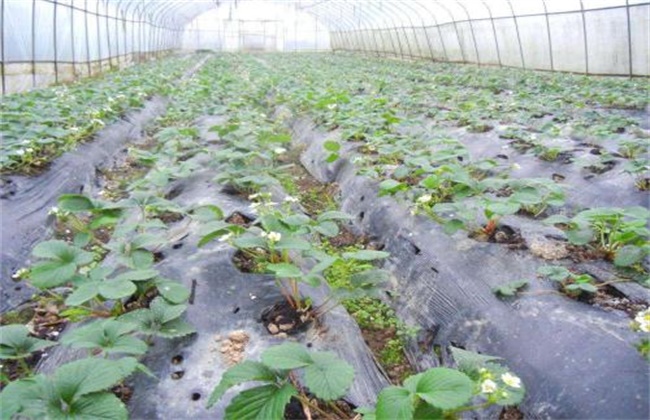
1. Causes of fertilizer burn
First, organic fertilizer that has not been fully decomposed, combined with the high-temperature and high-humidity environment of a greenhouse, generates high temperatures during the decomposition process, causing root burn in the seedlings. Even if the fertilizer has been decomposed, excessive application or placement too close to the roots can also cause fertilizer burn in strawberry seedlings. After strawberries are planted and successfully established during the slow recovery period, if a large amount of inorganic fertilizer is then applied to the strawberries, fertilizer burn can also occur. When chemical fertilizer is used in excessive amounts and at low concentration, it can also very easily cause fertilizer burn in strawberry seedlings, and overly high concentrations of foliar fertilizer can also cause fertilizer burn.
2. How to avoid fertilizer burn
When fertilizing strawberries, the amount must be controlled. A single application should not be too large, especially nitrogen fertilizer, which must not be applied in excess. Organic fertilizer must be fully decomposed before application. Half a month before transplanting, apply the base fertilizer to the soil, and transplant after watering or rainfall. When spraying foliar fertilizer on strawberries, choose an overcast day or the evening of a sunny day. Do not spray at noon, because the temperature is higher then and water evaporates quickly, which will cause the foliar fertilizer concentration to become too high and result in fertilizer burn.
3. Solutions
When fertilizer burn occurs, first replenish water in a timely manner. Drip irrigation is generally used for water replenishment, and it can be done several times, but the amount of each water replenishment should be noted to avoid waterlogging and root rot. Alternatively, spraying some Bihu or spraying some brassinosteroid can also alleviate fertilizer burn. If fertilizer burn occurs before plastic film mulching, then do not rush to cover with plastic film. You can water appropriately to reduce the fertilizer concentration, which can also appropriately lessen the fertilizer burn. If fertilizer burn occurs after film covering and the ammonia smell is especially strong, then the plastic film should be removed to let these harmful gases escape. After the seedlings recover, you can spray ethylene foliar fertilizer, such as amino acids or humic acid, etc., but try not to apply chemical fertilizer.
The above is an introduction to how to solve fertilizer burn during the strawberry seedling stage. I hope it can help you. If you want to learn more related knowledge, please stay tuned to us.