What to Do When Apple Trees Suffer Frost Damage? A Detailed Guide to Remedial Measures
Apple is a fruit that everyone loves to eat, and the market demand for it in our country is very large. Therefore, many people in our country still grow it, and when growing apple trees, many problems are often encountered that affect the growth and yield of the apple trees. Especially after winter arrives, apple trees are highly prone to frost damage. So what should be done about frost damage to apple trees? Below, the editor will give you a brief introduction. Let's take a look together!
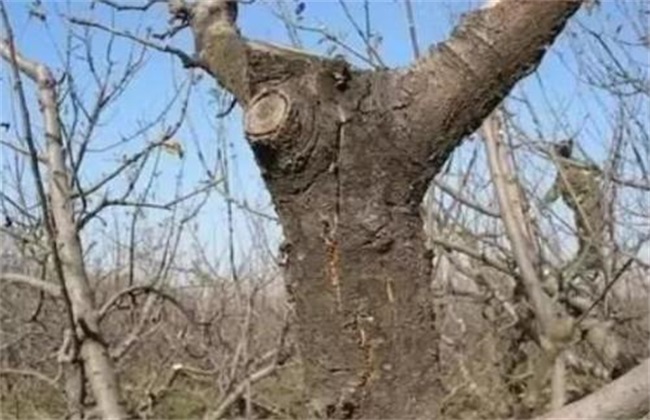
1. Causes of frost damage
Each growing part of the apple tree has different growth habits, so the causes of frost damage to apple trees also differ. When frost damage occurs to the branches and trunk of an apple tree, it is because the air and soil temperatures drop sharply, causing the bark of the branches and trunk to cool and contract rapidly, making the main trunk begin to crack from the outside inward, usually causing cracking at night. Generally, when the temperature drops to minus ten degrees, the branches and trunk are prone to frost damage, and if it drops even lower, the entire tree will freeze to death. The cause of frost damage to the root crown of an apple tree is that the root crown is the part of the whole tree that enters dormancy the latest and also breaks dormancy the earliest, so if the temperature suddenly drops, the surface temperature will begin to change drastically, making it highly susceptible to frost damage.
The cold resistance of apple tree flower buds is very weak, and the better the flower bud differentiation, the worse its frost resistance. Especially in deep winter, when the temperature is very unstable, a short period of warming will cause the cold resistance of flowers and leaves to decline. And if the temperature changes too frequently, it can easily lead to frost damage to flower buds. For example, in early spring, flower buds break dormancy relatively early, and if a late spring cold snap occurs, they will be damaged by frost.
2. Prevention and control measures
During the growth period of the apple tree, no matter when, the stable growth of the tree vigor must be ensured. When drought occurs, water appropriately, and when waterlogging occurs, drain promptly. Thin out excessively dense water sprouts to improve air and light penetration, ensure normal leaf growth, and enhance the cold resistance of the apple tree. Then, in spring and summer, whitewash the trunk, which can effectively play a role in frost prevention. Also do a good job with fertilization to provide sufficient nutrients for the fruit tree. In summer and autumn, focus on phosphorus and potassium fertilizers, while when applying base fertilizer in autumn, focus on organic fertilizers.
After frost damage to apple trees, be sure to promptly prune away the frozen branches. For cases where the main branches and trunk have suffered frost damage, shorten the shoots sprouted from latent buds at plump buds to encourage branching. Then cultivate the scaffold branches at all levels well; within three years, the fruit tree should be frequently shortened to control its fruit load and increase the number of branches. If the frost damage is relatively mild, then shorten the main and lateral branches and some permanent auxiliary nurturing branches at plump buds to promote the tree's rapid recovery of vigor.
The above is a brief introduction to what to do about frost damage to apple trees. That is all for today's introduction. This article is for reference only, and I hope it can help everyone!