Detailed Explanation of Key Points of Grape Rain-Shelter Cultivation Techniques
Grapes are a very common fruit in our daily lives, and the grape planting area in China is now very large. There are also quite a few cultivation modes for grape growing. Rain-shelter cultivation is one of them, and it can effectively reduce the incidence of pests and diseases and improve the economic returns of grape growing. So how should grapes be cultivated with rain shelters? Below, the editor brings you the grape rain-shelter cultivation techniques. Let's take a look!
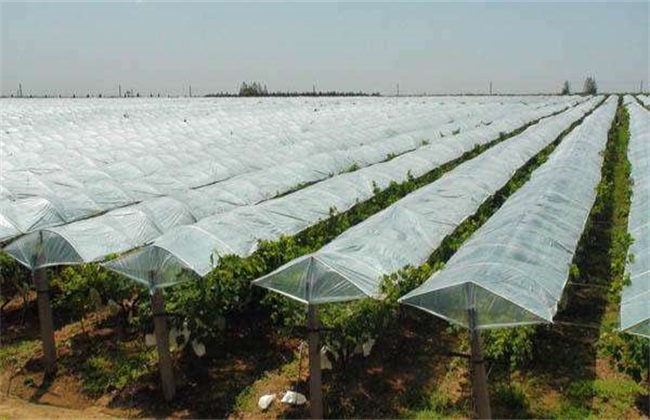
1. Preparation of the rain-shelter covering frame
There are many forms of rain-shelter covering frames for grapes. Among them, the commonly used one is trellis planting. First, a crossbar about 150 cm long should be fixed at the top of the grape trellis post; there is no limit on the crossbar material, but steel is best because steel has the greatest sturdiness. Then, in the middle of the crossbar, erect an upright post about 40 cm high. Next, at both ends of the crossbar, build an arched frame and fix it together with the trellis posts. Then use wire to connect adjacent arch frames so that they form a wire frame. Then lay a layer of plastic film over it for rain protection.
2. Film selection
The film covering time for rain-shelter cultivation should be when summer temperatures are relatively high. Therefore, the choice of film is very important. PVC film that is sun-resistant and not easy to crack or age should be the main choice, and the film must have strong high-temperature resistance and good permeability. Under normal circumstances, the service life of the film can reach about two years. In order to allow the normal growth and development of grape branches and shoots, the rainproof covering film should maintain a space of about 25 cm from the branches and leaves. Then determine the film width according to the width of the arch frame surface. To ensure the rain shelter is strong and sturdy enough, after covering the film, be sure to fix it with film-pressing wire or nylon rope.
3. Film covering time
In rain-shelter cultivation, if the cultivation area is not large, or if it is home growing, then the film should be covered before it rains. Then after the weather clears, the film can be removed. If it is large-scale planting, then according to local climate changes and weather conditions, the film should be covered before the rainy season arrives. In southern regions, the flowering period of grapes generally encounters cloudy and rainy weather. Therefore, pay attention to completing the film covering work before grape flowering, and then leave it until after grape harvest, when the branches are fully mature, before removing the film.
4. Daily management
During rain-shelter cultivation, because the grape plant roots have fewer opportunities to receive natural moisture, soil drought is prone to occur. When the soil is too dry, pay attention to watering in time, especially during the growth of young fruit, and be sure to ensure sufficient moisture. When covering, the microclimate within the leaf canopy layer will change, making pests and diseases more likely to occur. Therefore, pay attention to doing a good job of summer pruning to avoid crown closure leading to pests and diseases. Then, when the temperature exceeds 33°C, pay attention to removing the film in time to lower the temperature.
The above is a brief introduction to grape rain-shelter cultivation techniques. That is all for today's introduction. This article is for reference only, and I hope it can help everyone!