How to prevent persimmon fruit drop? All the effective fruit-retention methods are here
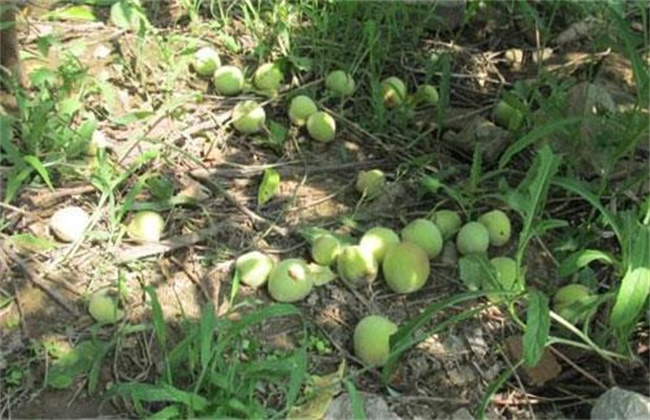
Autumn is the harvest season, and at this time seasonal fruits come onto the market one after another; persimmons also ripen and go on sale at this time, and fully ripe persimmons are soft, sweet and very delicious. At harvest time, however, fruit growers feel both joy and worry: the joy is the upcoming bumper harvest, and the worry is the problem of sweet persimmon fruit drop. Persimmon fruit drop is mainly caused by the tree's own physiological reasons and by pests and diseases, and either cause can bring serious economic losses to growers. So is there any way to reduce the persimmon fruit drop rate? Let's take a look together.
1. Variety selection
Persimmon trees differ greatly between varieties. Some do not need pollinating plants, such as Da Mopan, and can set fruit directly and are not prone to dropping due to poor pollination, while others must have pollinator trees configured, especially varieties introduced from Japan, for which poor pollination is the root cause of heavy fruit drop. So to reduce the fruit drop rate, you must first understand the variety of your own persimmon trees.
2. Flowering branch treatment
This includes pruning of branches, girdling and flower bud thinning. To avoid wasting fertilizer and water and poor ventilation and light penetration later, ineffective branches and water sprouts must be pruned before flowering, following the principle of leaving more branches on the windward side and fewer on the leeward side, so as to ensure ventilation and avoid the breeding and spread of pathogens. Girdling can not only promote flower bud differentiation but also advance fruiting and reduce physiological fruit drop. It is generally carried out at the early flowering stage; after girdling, the cut must be wrapped with plastic strips to maintain humidity at the cut, promote healing, and strengthen fertilizer and water management. To ensure the final fruit quality when thinning flower buds, generally keep the first 2-3 fruiting branches that sprout on the fruiting mother branch, and keep 3 flower buds in the middle of each fruiting branch, removing all the rest.
3. Fertilizer and water management
Apply sufficient base fertilizer in spring and autumn. Topdressing must not be too early; it is generally applied in May, when the branches stop growing at the tip, and in July, during fruit enlargement. These two topdressings clearly promote fruit set and also increase the number and quality of flower buds for the next year. Apply foliar topdressing in the middle and late fruiting stages, spraying a mixture of foliar fertilizer and Yiwei yield-increasing bacteria every half month, evenly wetting all branches, leaves and fruits, with the best result being when water droplets just begin to drip down.
4. Pest and disease prevention and control
May, July and August each year are peak periods for larvae. The main pest is the persimmon fruit borer, which infects twice and very easily causes fruit to drop; the main disease is anthracnose, which generally appears in the late growth stage and causes fruit drop. So in the young fruit stage, growers should promptly spray once with an 800-fold aqueous solution of Shibingke, or 1000-fold 50% Shukeling wettable powder; in the fruit ripening stage, spray continuously 2-3 times with an 800-1500-fold aqueous solution of Jiesijing, or 1000-fold Supusha aqueous solution for control.
The above is an introduction to how to effectively prevent persimmon fruit drop. We hope it helps you. To learn more related knowledge, please stay tuned to us.