What are the precautions for pruning citrus trees?
As we gradually move into autumn, it is also the time for citrus to hit the market. China's citrus planting area is now very large, and when growing citrus, pruning work is essential. When pruning citrus, we must adjust the pruning method according to the changing seasons. So when growing citrus, how exactly should it be pruned? Today the editor brings you the precautions for pruning citrus trees, let's take a look below!
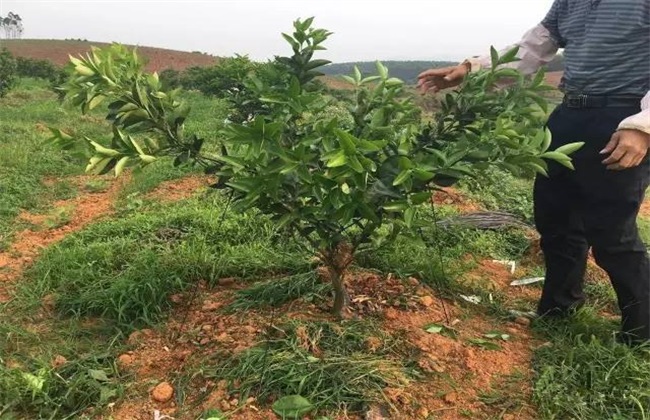
1. Summer pruning
Summer is an important period for pruning citrus trees, and in summer the pruning time is generally 9 days before the shoots are released. This is because the temperature at this time is relatively suitable, and the tree's physiological functions are also relatively active. If sufficient fertilizer and water are ensured, then about 7 days after the summer pruning is completed, a large number of autumn shoots can sprout. It can also ensure the shoots emerge neatly, which facilitates the unified pesticide spraying work later on. It also allows better control of pests such as the citrus leafminer. If the tree vigor is weak, then pruning should be carried out about one week earlier.
2. Winter pruning
When pruning citrus trees in winter, the timing has relatively strict requirements. First, we must note that after harvesting the fruit, pruning cannot be done immediately. This is because the nutrient and water content in the fruit accounts for the largest proportion of the entire tree's nutrients. After the fruit is harvested, a large amount of nutrients is lost, so the tree becomes very weak. If winter pruning is carried out at this time, the tree will become even weaker, so everyone must pay close attention. However, we can prune the old fruiting branches on trees with poor growth, thereby promoting the renewal of fruiting branches and improving yield and quality.
3. Pay attention to tree age
When pruning citrus trees, we must also control the pruning intensity according to the tree age. For adult fruiting trees, pruning can generally be carried out after the winter fruit harvest until before spring budding. However, pruning will more or less cause some damage to the tree, so when pruning, we must also pay attention to doing a good job of topdressing fertilizer to prevent excessive nutrient loss from affecting the next year's fruiting. For fruiting trees, the main purpose of pruning is to improve the tree's ventilation and light penetration, adjust the relationship between vegetative and reproductive growth in the tree, and increase the yield of the citrus tree.
4. Pay attention to the fruiting situation
When pruning citrus trees, we must carefully observe the fruiting situation on the tree to control the pruning intensity. If the fruit set is relatively small, then the pruning intensity can be appropriately increased, focusing on some fruiting mother branches to reduce the amount of flowering, thereby reducing nutrient consumption. Conversely, if the fruit set is relatively large, then the pruning intensity should be appropriately reduced to promote fruit growth and improve the tree's growth capacity. Once the yield is guaranteed, the fruit quality should then be enhanced.
The above is a brief introduction to the precautions for pruning citrus trees. That is all for today's introduction. This article is for reference only, and I hope it can be of some help to everyone!