Detailed Explanation of Management Techniques Before and After the Kiwi Flowering Period
Kiwi is a very popular fruit, and its planting area in our country is also relatively large. The flower quantity of kiwi is relatively large, so the fruit-setting rate is also relatively high. However, we also need to do a good job of management before and after the kiwi flowering period. If too many fruits set, it will instead affect the growth of the fruit. So how should kiwi be managed before and after the flowering period? Below, the editor will give everyone a brief introduction. Let's take a look together!
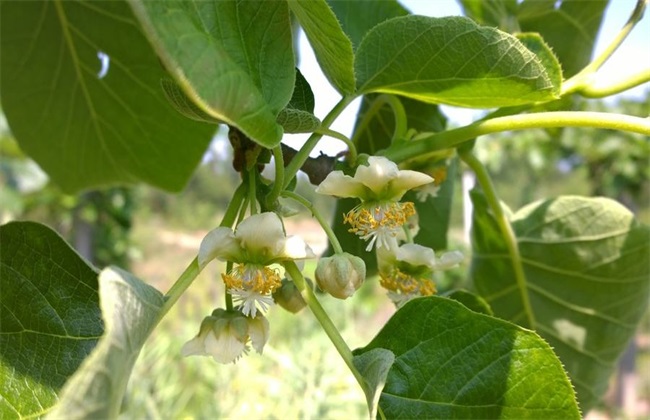
1. Pruning Before Flowering
Before kiwi enters the flowering period, we need to do a good job of pruning before flowering. When the new shoots of kiwi grow to about 18 cm and flower clusters begin to appear on the branches, thinning of the branches should begin. Thin out overly dense branches to improve the ventilation of the kiwi tree. Ensure good ventilation and light transmission to facilitate insect pollination. If it is a fruiting branch, then keep about 3 leaves on the flower cluster and pinch off the growing tip.
2. Timely Bud Thinning
After doing a good job of pruning before flowering, we also need to do a good job of bud thinning. This can be carried out when the length of the fruiting branch grows to more than 50 cm, or about half a month after the side flower buds grow and separate. When thinning buds, attention should be paid to focusing on removing deformed flower buds, weak buds, and flower buds harmed by pests and diseases. Prevent the flower buds from growing too densely, which would lead to an excessively high fruit load, uneven nutrient distribution, and affect the normal growth of the fruit.
3. Artificial Pollination
Although the natural pollination rate of kiwi is relatively high, we also need to do a good job of artificial pollination according to the actual growth situation of kiwi. First, collect pollen from the stamens of male flowers on newly opened male flowers. Then pollinate after about 1/4 of the trees in the whole orchard have bloomed. When pollinating, be careful to avoid noon, as the temperature at noon is too high and will affect the pollination rate. Bees can also be introduced into the orchard to let them collect pollen and pollinate.
4. Reasonable Fertilization
As mentioned earlier, the flowering quantity of kiwi trees is relatively large. Therefore, during the flowering period, the nutrient consumption of kiwi is relatively large. So we should pay attention to doing a good job of fertilization. 7 days before the kiwi tree blooms, apply an appropriate amount of pre-flowering fertilizer according to the tree vigor of the kiwi tree. The fertilizer should mainly be nitrogen and potassium fertilizer, and attention should also be paid to supplementing an appropriate amount of trace elements to meet the nutritional needs of kiwi flowering.
5. Proper Watering
Similar to the principle of topdressing, during the flowering period, kiwi not only consumes a large amount of nutrients, but also consumes more water. Therefore, we should also pay attention to doing a good job of watering. During the flowering period, the soil moisture should be maintained at about 85%. If the temperature is relatively high and there is drought, then the whole orchard should be watered once. If there is a lot of rain during the flowering period, then drainage should be carried out in time to prevent water accumulation from soaking the roots and affecting the flowering and fruiting of kiwi.
The above is a brief introduction to the management of kiwi trees before and after the flowering period. That is all for today's introduction. This article is for reference only, and I hope it can help everyone!