What to do when citrus suffers fertilizer burn? See the remedial measures here
Citrus bears a large fruit load, so fertilizer management is relatively important. It is necessary to provide sufficient influence for its growth and development, which has an enormous impact on fruit quality and yield. However, there are also many points to note when fertilizing. A slight carelessness can cause fertilizer burn. In mild cases, growth is restricted and tree vigor weakens, affecting that year's yield; in severe cases, branches and leaves dry up, ultimately causing the tree to die. So how should citrus fertilizer burn be remedied? Follow the editor to learn about it.
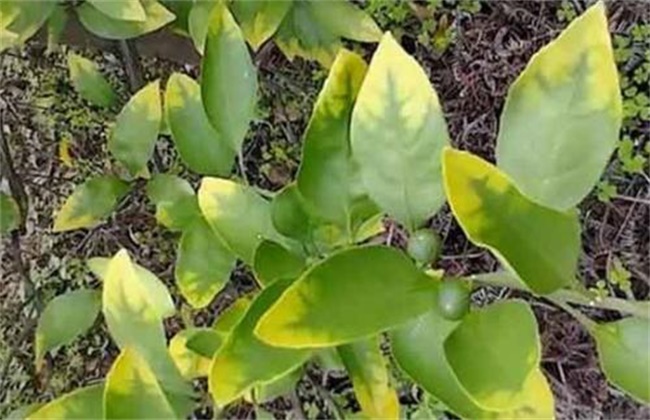
1. Symptoms of fertilizer burn
Citrus fertilizer burn generally occurs within 10-60 days after fertilizing. It first starts with water loss or yellowing and scorching at the tips of old leaves at the base of branches, followed by the designated new leaves or leaf drop. In severe cases of fertilizer burn with dead branches, it will be found that at the fertilizing site, relative to the aboveground main branches and side branches, severe bark rot occurs. After scraping open the rotted bark, the bark will be found to have lost its green color and turned brown, and the branches are withered and dehydrated. Digging further to the roots will reveal that the root system at the fertilizing site is basically rotted, with the root bark of fine roots and thick lateral roots rotting and peeling off, extending toward the root crown, trunk, and main branches. In mildly affected plants, the nearby new shoots generally cannot emerge excessively. If fertilizer burn occurs before flowering, it is very likely that flower buds will not appear and flowers will not bloom.
2. Causes of fertilizer burn
There are many causes of fertilizer burn. The first is an unreasonable fertilizing position. If the fertilizing position is too close to the trunk or large roots, or if the fertilizer directly contacts the root system, the fertilizer concentration is too high and injures the roots, making it difficult for the root system to absorb water and nutrients, causing branches and trunks to wither and die. Or the applied organic fertilizer or farmyard manure has not been fully fermented and decomposed. After application, it releases a large amount of heat during decomposition, causing root scorching and preventing the aboveground parts from receiving timely supplies of nutrients and water, resulting in an imbalance of nutrients between the underground and aboveground parts, thereby causing yellow leaves and withered branches. Applying a large amount of quick-acting fertilizer during fertilization can also cause root scorching. The damage caused by this kind of fertilizer burn is extremely great and is very likely to cause the death of large branches or the entire plant. In addition, during foliar fertilizer spraying, if the fertilizer solution concentration is too high, it can also cause leaf scorching and drying.
3. Remedial measures
For fruit trees that have already suffered fertilizer burn, effective remedial measures must be taken to reduce the damage. For fertilizer burn caused by soil application, irrigation should be carried out promptly to dilute the fertilizer concentration and alleviate the fertilizer burn. If the fertilizer burn has already injured the roots, promptly remove the upper layer of soil around the plant and carry out short-term root exposure to promote new root growth. If the fertilizer burn is relatively severe, the root-cutting method can be used, cutting off and digging out the burned large roots. For foliar fertilizer burn, water should be sprayed on the leaves promptly.
The above is an introduction to remedial measures for fertilizer burn in citrus. I hope it can help you. To learn more related knowledge, please follow us.