Detailed Explanation of Management Techniques for Banana After De-budding
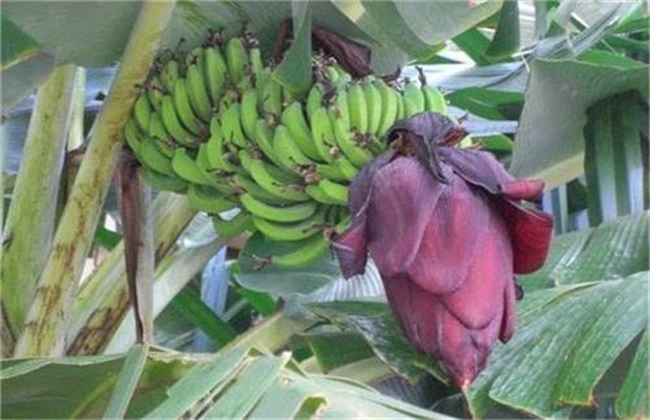
Banana de-budding means that after the female flowers of the banana begin to set fruit, about 3 flowers will fail to set fruit. At this time, they should be cut off at the tail in time. Proper de-budding work can ensure the growth of the fruit. The time for banana de-budding should be chosen on a sunny afternoon, when the sap flow of the banana tree is not heavy. The management work after de-budding is very important and affects the growth of the banana fruit, so let us take a look at the management techniques after banana de-budding.
1. Apply fruit-strengthening fertilizer in time
After the banana is de-budded, because some nutrients will be lost, attention should be paid to applying an appropriate amount of fruit-strengthening fertilizer. The fruit-strengthening fertilizer is mainly farmyard manure and phosphorus and potassium fertilizer. After de-budding is completed, each banana tree should be given 1 jin of potassium chloride and about 12 kg of farmyard manure, and the fertilizer should be mixed and stirred with an appropriate amount of plant ash. Then dig a ring-shaped trench around the plant, keeping the depth of the trench at 20 cm and the width at about 50 cm. After trench application, cover the fertilizer with soil, pour in enough clean water, and let the fertilizer dissolve as quickly as possible to promote absorption by the plant roots and improve fertilizer use efficiency.
2. Promote root growth
When applying the fruit-strengthening fertilizer, we can directly spread soil manure or soil on the banana tree beds for earthing up. The amount used per tree should be kept at about 45 kg, and the thickness should be controlled at about 10 cm. Then spread the trench soil dug out earlier onto the pond mud or soil manure. About 5 cm is enough to ensure that the roots can absorb sufficient nutrients and promote banana growth. It can also improve the soil's water and fertilizer retention, and its protective effect on the roots is also relatively strong. It can enhance the absorption capacity of the roots and avoid plant decline and death during growth.
3. Foliar topdressing
After the banana is de-budded, we should also do a good job of foliar topdressing. Generally, foliar fertilizer is sprayed once a week, and the foliar fertilizer is mainly urea and monopotassium phosphate. When spraying foliar fertilizer, make sure the spraying is thorough and even. Spray until water droplets appear and begin to drip at the top growth point of the plant. Only in this way can it effectively provide sufficient nutrients to banana leaves and fruit. It promotes the expansion and coloring of banana fruit and avoids the appearance of yellow leaves, which would affect banana yield and quality.
4. Reasonable watering
After the banana is de-budded, attention should be paid to watering well to ensure that the plant does not lack water and to avoid drought and cracking of the bed surface due to water loss. The bed surface should often be kept moist, so we should pay attention to observing weather changes. If drought occurs, then pay attention to watering in time. However, also pay attention to controlling the amount of watering. Do not water too much, to prevent water accumulation, which can cause dead roots and root rot in banana trees. This affects the roots' ability to absorb nutrients and water, leading to hindered banana growth and development.
The above is a brief introduction to management techniques for banana after de-budding. That is all for today's introduction. This article is for reference only, and I hope it can be helpful to everyone.