How to prune a plum tree? Detailed pruning methods and techniques
Plums are a common fruit, grown all over the country. They have good nutritional benefits, so they are called a superfruit for anti-aging and disease prevention, and they are quite popular on the market. If fruit growers want to further increase their profits, the first thing they should do is find ways to improve the yield and quality of plums, and pruning is a key point in this. So how should plum trees be pruned? What pruning methods are there for plums? Let's take a look.
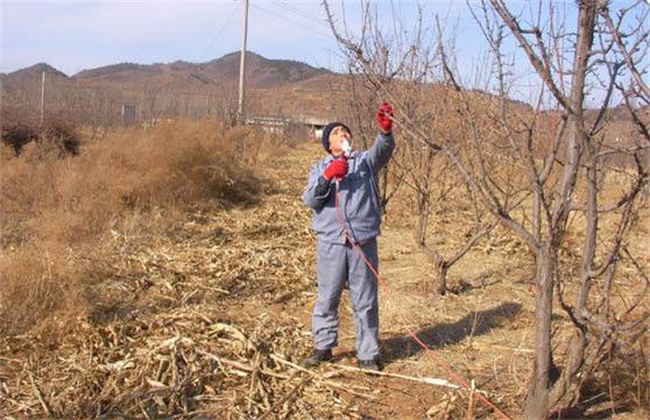
1. Thinning
Thinning generally involves properly removing from the base the branches on the fruit tree that are too densely grown as well as those with the wrong angle, reducing the obstruction by branches and leaves to the tree's ventilation and light penetration, and also reducing unnecessary nutrient consumption. Through thinning, the tree's ventilation and light penetration can be greatly improved, with an obvious effect on fruit development and sweetness improvement. What should be noted during thinning is that it should be carried out gradually over the years in several rounds, and too much should not be thinned at one time, as this easily causes a large reduction in the tree's branches and leaves, lowers the nutrients synthesized through photosynthesis, and very easily leads to excessive vegetative growth of the tree, which is not conducive to high yield.
2. Heading back
This pruning method of heading back involves cutting off part of the branch during the tree's annual branch growth period. According to the tree's growth vigor and the purpose of selecting, retaining and cultivating branches, different degrees of heading back are carried out, generally in three levels: light, medium and heavy. What should be noted when heading back is that it is not conducive to flower bud formation, but for weak trees and weak branches it can regulate the total amount of branches and buds and the nutritional status, and can promote flower bud differentiation. Heading back medium and long fruit branches can increase the fruit-setting rate of the tree, so special attention must be paid during pruning.
3. Delayed pruning
The main function of delayed pruning is to slow down the tree's growth vigor and promote flower bud differentiation. Generally, one-year-old young trees are not pruned and are allowed to grow naturally. When delaying the pruning of upright branches on the tree, the branches should be twisted and injured at the base or pulled flat. For branches that have already been left unpruned, when they flower and set fruit, retraction or heading back should also be used in combination, so that the effect of delayed pruning can be achieved more effectively.
4. Retraction pruning
The main purpose of retraction pruning is to promote the replacement of old and new branches, ensure concentrated nutrient supply, and make old and weak trees recover from weakness to vigor. This pruning method is generally used for retraction pruning treatment of weak trees in the declining stage or perennial weak branches.
The above is an introduction to how plum trees should be pruned. We hope it can help you. If you want to learn more related knowledge, please stay tuned to us.