How to manage pear trees during the flowering period? Flowering period management techniques for pear trees
Pears are a common fruit in our daily lives, and there are many varieties of pears. There is also a very large planting area in our country now. When growing pear trees, we need to adjust our management methods according to the growth stages of the pear trees. Especially during the flowering period of pear trees, management must be strengthened. So how should pear trees be managed during the flowering period? Below, the editor brings you flowering period management techniques for pear trees. Let's take a look!
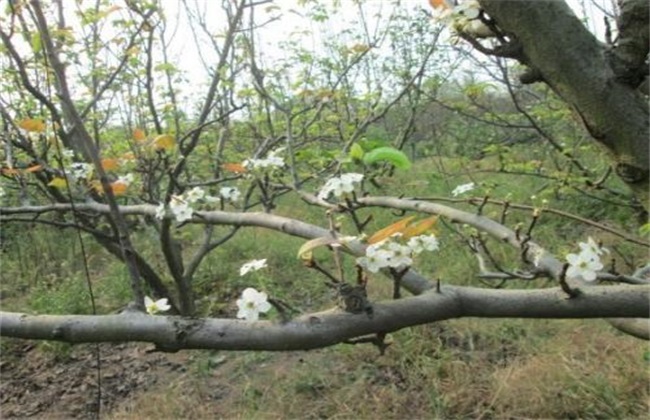
1. Bud removal
After entering spring, pear trees begin to sprout. By the time the flowering period arrives, basically all the new buds on the pear tree have already sprouted. However, there will also be some buds that sprout relatively late, so they still have not sprouted during the flowering period. Therefore, this kind of bud must be removed in time, because sprouting too late will affect the flowering of the pear tree. Moreover, these buds will also consume the nutrients of the pear tree, leading to higher planting costs and reducing the fruit-setting rate of the pear tree. So we should often observe the sprouting situation of the pear tree, and if there are such buds, remove them in time.
2. Artificial pollination
The natural pollination rate of pear trees is relatively low, and if there is special weather such as rainy days, the pollination rate will be further reduced, leading to a decline in the fruit-setting rate. This causes the pear tree to show the phenomenon of alternate bearing. Therefore, during the flowering period of pear trees, we must also do a good job of artificial pollination. Reasonable pollination can not only improve the flowering and fruiting rate of pear trees, but also effectively avoid the phenomenon of alternate bearing. To ensure that the yield remains stable every year, it should generally be carried out within one week after the flowering period. Tools such as brushes and feather dusters can be used for artificial pollination, and bees can also be placed in the orchard to let them assist with pollination.
3. Reasonable flower preservation
The relatively low fruit-setting rate of pear trees is generally caused by too few flowers. In order to improve the fruit-setting rate, we must also do a good job of flower preservation to avoid flower drop. Before flowering, appropriate topdressing can enhance the quality of the flowers and meet the nutritional needs of the pear tree for flowering. About two weeks before flowering, an appropriate amount of compound fertilizer can be applied; for adult trees, about 1 kg can be applied, and if the growth is weak, about 1.5 kg of urea can be applied. Then an appropriate amount of flower-preserving agent should be sprayed to reduce flower drop. However, the number of flowers should not be too large either. For pear trees with a relatively large number of retained flowers, supplementary pruning and flower thinning should be done well to prevent excessive nutrient consumption.
4. Frost prevention
The flowering time of pear trees is relatively early, generally mostly during the late frost period, so during the flowering period of pear trees the flowers are extremely susceptible to damage from late frost. If frozen, the stamens of the pear tree will turn brown and gradually shrink and dry up; although they can still bloom, they cannot bear fruit. Therefore, we must do a good job of frost prevention. Before flowering, appropriate watering can lower the ground temperature, inhibit root activity, delay the flowering time, and effectively reduce late frost damage. Before flowering, the trunk of the pear tree can also be whitewashed to raise the tree body temperature and delay the flowering period by about 4 days. In addition, smoke fumigation for frost prevention is also a main measure for frost prevention in pear trees; it can not only raise the ground temperature, but the smoke particles can also absorb moisture.
The above is a brief introduction to flowering period management techniques for pear trees. That is all for today's introduction. This article is for reference only, and we hope it can help everyone!