What are the propagation methods for papaya? A detailed guide
Papaya is a fruit we are all fairly familiar with, and it is produced in most provinces of our country. The papaya plant has fairly high ornamental value, and the fruit tastes rather astringent, but it has many beneficial effects, such as relieving alcohol intoxication and phlegm, regulating qi and stopping dysentery, and it is now grown on a fairly large area in our country. So how should papaya be propagated? Below, the editor brings you the propagation methods for papaya, let's take a look!
1. Division propagation
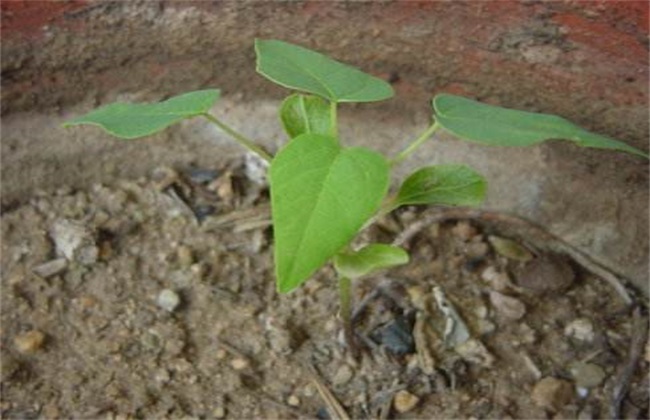
The roots of papaya are distributed fairly shallowly, so it has a strong tillering ability, and many root suckers can often be seen growing at the base of the plant. Therefore, division propagation is a commonly used method when propagating papaya. Division propagation is generally carried out in February to April and September to October each year. First, around the plant, we should select two-year-old young plants about 45 cm tall, take them out together with their roots, and after digging them out, simply treat them and they can be planted out. If they are one-year-old small sucker seedlings, they can be transplanted to a nursery, and after about one year they can be planted out.
2. Cutting propagation
Cutting propagation is also suitable for papaya propagation work. Every year in February to March, when the spring buds of the papaya tree have not yet sprouted, select a superior papaya tree and cut two-year-old robust branches from it. Then divide them into small sections about 18 cm long, with each section retaining about 3 nodes. Then the cuttings can be inserted directly into the seedbed, with the row and plant spacing controlled at about 15*10 cm. After cutting, firm the soil and water appropriately, then cover with a layer of film to increase the soil temperature and moisture retention capacity. Around Qingming Festival, the cuttings will gradually take root; at this time the film can be uncovered, fertilizer and water management should be done well, and the work of loosening the soil and weeding should be strengthened. After about one year, when the seedlings grow to about 90 cm, they can be planted out.
3. Seed propagation
Sowing can be done in autumn or spring. Autumn sowing should be carried out in late October. When the papaya fruit is ripe, pick the fruit and then take out the seeds; after washing off the mucus on the seeds, they can be sown directly. The row spacing of the sowing furrows should be controlled at about 25 cm, and the depth should be kept at 4 cm. Then evenly scatter the seeds into the sowing furrows. They will sprout in the spring of the following year. The time for spring sowing is March to April each year. First, the seeds should be soaked in clean water for about two days, then wrapped in a wet cloth and placed at a temperature of about 25 degrees for a whole day. Then open furrows and sow according to the autumn sowing method; they generally sprout around Qingming Festival, and when the seedlings grow to about one meter, they can be planted out.
The above is a brief introduction to papaya propagation methods. There are many propagation methods for papaya, and we should reasonably choose the propagation method according to the weather, planting scale and other actual conditions to ensure papaya yield. That is all for today's introduction. This article is for reference only, and we hope it can help everyone!