Key points of chestnut fertilization techniques, master scientific fertilization methods
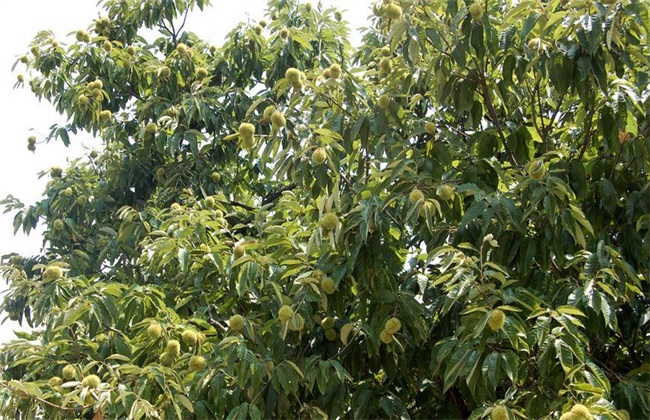
It is now the season when chestnuts hit the market, and we should also introduce some management points for chestnut cultivation, because chestnuts are delicious but not easy to grow. Chestnut trees are generally very tall, so they need a lot of nutrients during growth; even their basic growth nutrients exceed those of other fruit trees. So today we will introduce the key points of fertilization in detail.
1. Satisfy the base fertilizer requirement
Base fertilizer accounts for about 60% of the whole year's fertilization amount, and can restore the consumption after fruiting in previous years and restore tree vigor. Generally, nutrients must be laid down every year; after harvesting the fruit in autumn, it can be applied together with plowing, which can improve soil structure and help root growth. About 4,000 jin of farmyard manure, compost and the like are used per mu. Each tree uses 1 jin to 1.5 jin of compound fertilizer.
2. Topdressing stages
Apply topdressing once before flowering, after bud break, mainly using nitrogen fertilizer, with 0.6 to 1 jin of high-nitrogen compound fertilizer per tree. This is mainly to promote the growth of branches and shoots, produce more flowers, and set more fruit. The second topdressing is during the fruit expansion period, mainly applying 1 jin to 2 jin of high-potassium compound fertilizer per tree. In the later stage, spray trace elements, manganese and magnesium elements to improve fruit quality.
3. Fertilization methods
Use radial fertilization: dig about 5 trenches at the edge of the tree canopy, 0.3 m wide, with the depth gradually increasing from the outside inward. This is suitable for applying compound fertilizer to individual trees. For young trees, use circular trench application, which is beneficial for absorption. Strip trench fertilization is suitable for applying base fertilizer; sometimes when fertilizer is insufficient, a full-orchard broadcast application may be omitted.
4. Fertilization principles
Base fertilizer is mainly farmyard manure, which has an auxiliary effect of improving the soil. It is applied after fruit harvest, when the temperature is high and fertilizer decomposition treatment is relatively easy. This is also the root growth period. Topdressing is mainly based on quick-acting nitrogen, combined with phosphate fertilizer and potassium fertilizer. Topdressing is mainly done in spring and summer. If foliar spraying is used, it can be carried out multiple times within a year. The key times are before the branches and shoots flower and one month before harvest.
Chestnut fertilization mainly consists of applying sufficient base fertilizer, then carrying out reasonable topdressing according to the growth stage, and additionally carrying out appropriate targeted foliar spraying. In addition, an appropriate fertilization method can be selected.