What to Do When Blueberry Leaves Turn Yellow and Dry Up? Detailed Solutions
Blueberry leaves are important organs for photosynthesis and synthesizing organic matter. Once a large number of leaves turn yellow, it will seriously affect the growth and development of blueberries. The yellow leaf phenomenon in blueberries is quite serious. In mild cases, the fruit-setting rate is low; in severe cases, the tree vigor weakens, branches and leaves die, and even the whole plant dies. To prevent and control blueberry yellow leaves, you must first understand the causes. Let's take a detailed look below.
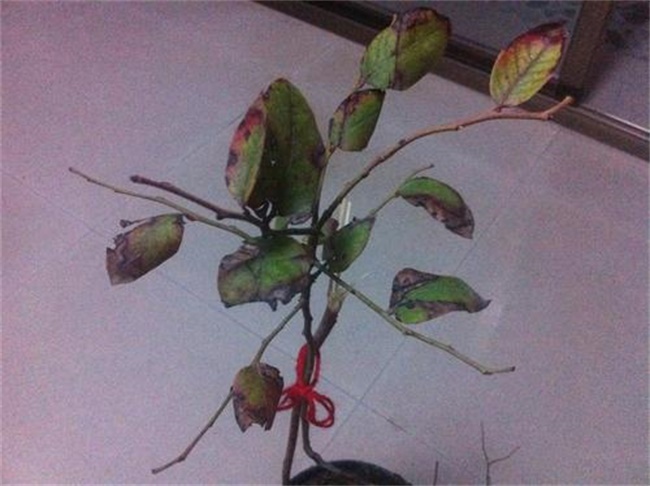
I. Causes of Yellow Leaves in Blueberries
1. Seedling causes
When the seedlings themselves are malnourished and have poor root systems, and during planting the root ball is not broken apart, or the roots are covered with too thick a layer of soil, the roots will grow poorly and yellowing will occur.
2. Improper soil
Blueberries have strict requirements for soil pH. The suitable growing soil has a pH between 4.5-5.5. Too acidic or too alkaline is unfavorable for the growth and development of blueberries. In addition, when the soil organic matter content does not reach 5% or above, it is also unfavorable for blueberry growth.
3. Waterlogging
Low-lying plots prone to water accumulation are very susceptible to waterlogging, which seriously affects the growth and development of the blueberry root system and its ability to absorb nutrients. Over time, the leaves do not get enough nutrients and water, and yellowing occurs.
4. Underground pests
Pests such as white grubs and mole crickets can damage the blueberry root system, causing root damage and weakened tree vigor. In addition, root rot and stem base rot can also cause the plant to grow slowly, not produce new branches, not unfold new heart leaves, and even the leaves that emerge are relatively small, with yellowing occurring.
5. Fertilizer damage. Blueberries are a low-fertility crop. Applying too much fertilizer or applying it in the wrong position can cause fertilizer damage, which can also easily lead to yellowing in blueberries.
II. Solutions
1. Seedlings and new branches
Choose strong 2-3 year old seedlings with well-developed root systems and 2-3 branches. Before planting, break open the root ball first. If the root ball is relatively dry, transplant while soaking in water.
2. Soil improvement
Measure the soil pH before planting, apply sulfur powder or humic acid to adjust the acidity and alkalinity, and apply organic bacterial fertilizer or forest peat for localized soil improvement to increase soil organic matter.
3. Ridge cultivation
Drainage ditches can be built well. This can effectively reduce the occurrence of waterlogging and avoid blueberry yellowing caused by waterlogging.
4. Pest and disease control
For root damage caused by various pests and diseases that leads to leaf yellowing, use humic acid foliar fertilizer + 30% hymexazol + carbendazim + low-toxicity insecticide + plant growth hormone for root drenching, achieving the triple effects of sterilization, insect killing, and root promotion.
5. Foliar fertilization
Foliar fertilization has the characteristics of high absorption and utilization rate and fast recovery. Therefore, in the early stage of yellowing, spray the leaves with fungicide + trace element water-soluble fertilizer to supplement medium and trace elements, so that the already yellowed leaves gradually turn green again.
The above is an introduction to the causes and solutions for yellowing and drying blueberry leaves. I hope it can help you. If you want to learn more related knowledge, please stay tuned to us,