How to Grow Blackcurrants? A Full Guide to Growing Methods for Beginners
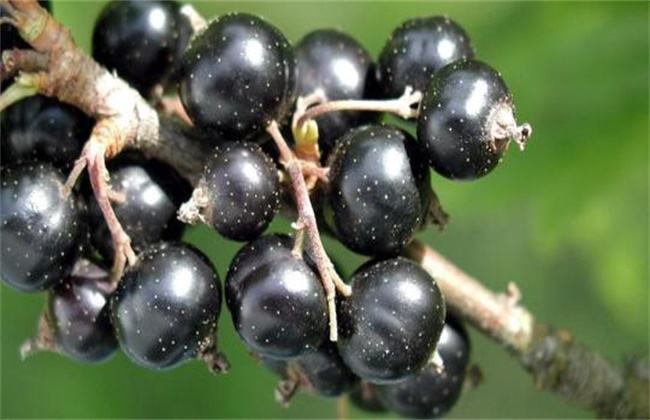
Blackcurrant is called black gooseberry, and its appearance is somewhat similar to grapes, but they are two completely different plants. Blackcurrant has extremely high nutritional value and economic value, and its market prospects are considerable. Now more and more people are entering the blackcurrant growing industry, so how should beginners grow blackcurrants? Let's take a look.
1. Choose suitable varieties now
Choosing good varieties has a big impact on the fruit that blackcurrants will later produce. If this step is not done well, no matter how excellent the later management is, it will be difficult to harvest high-quality blackcurrants. When choosing, it is best to select varieties with stronger tree vigor for cultivation, because after planting, their growth power will be stronger than ordinary varieties, they will produce more fruit, and the quality will also be better.
2. Suitable environment
Blackcurrant has relatively strict requirements for its growing environment. When planting, try to choose an environment that is favorable to blackcurrant, as this can also help blackcurrant grow a bit faster, promote earlier ripening, seize the market faster, and increase economic income. The temperature of the environment must be noted. If the temperature is too high, it will be unfavorable to the growth of blackcurrant and cause changes in the appearance of the fruit. It is necessary to ensure sufficient sunlight, so that the fruit produced will taste sweeter and have higher commercial value.
3. Soil selection
The soil for growing blackcurrant must also be chosen carefully. Try to choose soil with more humus, as this can be beneficial to the growth of blackcurrant. Moreover, the nutrients needed for the growth and development of blackcurrant are absorbed from the soil. Before planting, base fertilizer should be applied to the soil to assist its growth. For the base fertilizer, it is recommended to use farmyard manure. Farmyard manure has a high nutrient content and is relatively comprehensive in nutrients, but note that the farmyard manure must be fermented to avoid damaging the roots.
4. Water management
Blackcurrant likes a humid environment, so it should be watered more during the growing period. The reason for doing this is to make the fruit produced by blackcurrant have a high water content, and the water demand is also relatively high just after fruit set. During this period, water supplementation for blackcurrant must be strengthened to ensure that the fruit does not shrivel. However, be sure not to let water accumulate on the ground. If there is accumulated water, it may damage the blackcurrant root system, and this point needs attention.
The above is an introduction to how beginners should grow blackcurrants. I hope it can help you. If you want to learn more related knowledge, please stay tuned to us.