A Detailed Guide to Walnut Harvest Time and Precautions
If you are growing walnuts, it is about time to start harvesting now. Walnuts have good economic value, so growers are very happy when the walnut harvest season arrives. But when is the best time to harvest walnuts, what should you prepare for harvesting, and what should you pay attention to? How should they be handled after harvest before they can be sold? Let's find out right away.
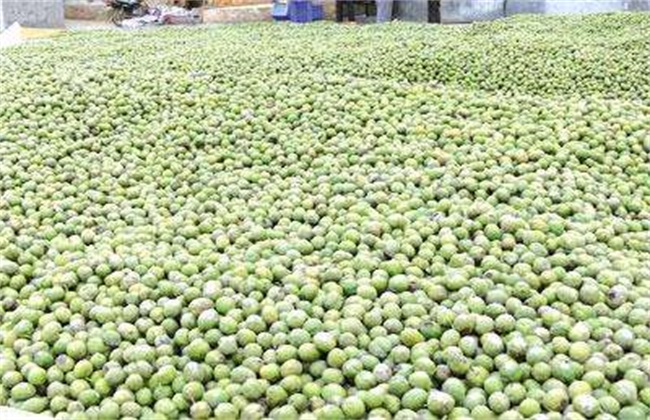
1. Harvest Time
In some regions, there is a habit of selling fresh walnuts, picking the green fruit directly while the walnut flesh is still relatively tender, then peeling it and selling it right away. However, if you want the fruit to develop fully and be easy to store, you must harvest later, because walnuts take a relatively long time to mature. Harvesting a bit later allows the fruit to firm up and develop good flavor. Fruit harvested early has a dark color, and after drying, the seed coat is bitter and astringent. Fruit harvested later has a lighter color and a stronger aroma.
2. Harvesting Methods
Walnut trees are relatively tall. When harvesting, people often stand under the tree and knock the fruit down with bamboo poles or wooden sticks. This way you do not need to climb the tree, and the fruit that is knocked down will not be damaged, because the outer layer needs to be removed anyway. However, there is a good chance that some fruit is knocked too far away to be found, or that some cannot be knocked down. If you climb the tree to pick them, pay attention to safety; actually, picking is faster, and you can set up a ladder, which is more convenient. Especially if the quantity is large, picking from the tree is still the better option.
3. Handling the Fruit
For the harvested fruit, if the outer skin has split open, you can begin rinsing it. Those that have not split open need to be piled together, and after a period of time they will split open. During this period, be sure to turn them over at any time, otherwise they are prone to rotting and will not be easy to hull. After rinsing and peeling, wash them with water immediately, otherwise moisture can easily enter the fruit. Wash them multiple times with clean water until the water runs clear. Place the washed fruit in the sun to dry, turning them evenly to dry. Afterward, check that the inner membrane is completely dry and the fruit has turned yellow, and then they can be stored.
4. Precautions
Note that bleaching powder was used for washing in the past, but for food safety, washing with clean water alone is very good. As long as the fruit can be harvested well, any method can be used. Within three hours after peeling, they must be washed with water; if too much time passes, the kernels are prone to discoloration and rotting. When drying, choose a clean place, one without soil or other things.
Walnuts are suitable for harvesting later, as the fruit tastes better, but those who enjoy eating them fresh can harvest earlier. Choose a safe harvesting method. The fruit must go through a series of processing steps before it can be stored.