Detailed Explanation of Key Technical Points for Apple Tree Management in Autumn and Winter
Apples are a very common fruit in our daily lives, and once an apple tree is planted, it can basically be harvested continuously for more than ten years. When growing apple trees, we need to adjust management techniques appropriately according to seasonal changes, especially during the low temperatures of autumn and winter, when management work is very important. So today, the editor brings you the autumn and winter management techniques for apple trees. Let's take a look together!
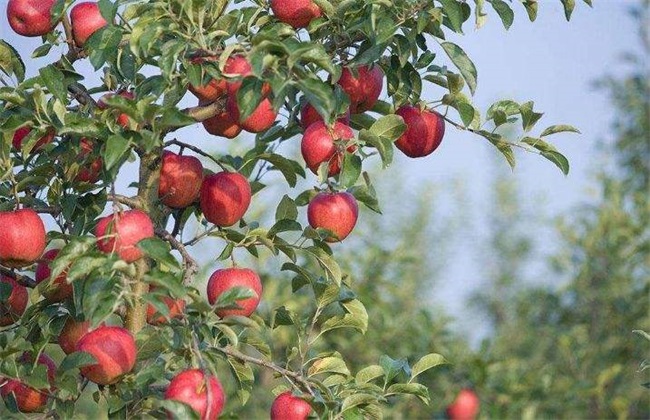
1. Management after fruit harvest
After apple trees are harvested in autumn and winter, they do not immediately lose photosynthesis. At this time, we should appropriately spray foliar fertilizer. This improves the functional period of the apple tree leaves and enhances the tree's nutrient accumulation. Because during the fruiting period, most of the tree's nutrients are concentrated in the fruit, so after harvest, a quick-acting fertilizer should be applied promptly to help the tree recover its vigor as soon as possible. This ensures sufficient nutrients in the tree, promotes flower bud differentiation for the following year. It enhances the apple tree's cold and drought resistance, and then appropriate pesticide spraying should be done for pest and disease control.
2. Applying base fertilizer in autumn
Under normal circumstances, September to October each year is the third peak growth period for apple tree roots. At this time, fertilizer should be applied promptly, which is very crucial for the tree's nutrient reserves and overwintering. Moreover, applying base fertilizer in autumn can promote the tree roots to recover their growth as soon as possible. We should apply sufficient organic fertilizer and control the application amount according to the tree's growth condition. For example, if it is a tree in the full fruiting period, then apply 4500kg of organic fertilizer, 50kg of urea, etc. The fertilization method should alternate between strip application and cross application to ensure the apple tree has sufficient nutrients for growth.
3. Timely orchard cleaning
When apple trees overwinter, most pests and pathogens that harm the orchard generally overwinter in the fallen leaves, fallen branches, and buds of the fruit trees. For example, aphids lurk in the axillary buds of the current year's branches of apple trees to overwinter. If orchard cleaning work such as removing fallen leaves, dead branches, and diseased residues is not done well in autumn and winter, then these pests and pathogens will become the primary infection source for the orchard the following year. Therefore, after harvesting, we should promptly remove debris such as dead branches and fallen leaves from the orchard, gather them and take them out of the orchard for destruction, to avoid harming apple tree growth.
4. Timely winter irrigation
In autumn and winter, apple trees should also be given appropriate winter irrigation. Timely winter irrigation can allow fertilizers and other substances to decompose quickly. It helps the tree store nutrients before winter. Generally, watering can be done before apple trees bud, and the best watering time should be before the winter freeze. If conditions permit, then sufficient water should be applied to meet the apple tree's water needs. If conditions do not permit, then at least water once. After watering, appropriately cover with some fine soil and plant straw to improve the soil's moisture retention and freeze prevention capacity.
The above is a brief introduction to apple autumn and winter management techniques. That's all for today's introduction. This article is for reference only, and we hope it can help everyone!