What to Do About Fertilizer Burn in Fruit Trees? Teach You the Correct Remedies
During fruit tree cultivation, what should you do if you accidentally apply too much fertilizer, causing fertilizer burn that affects the growth of the fruit trees? This is a problem many people encounter when growing all kinds of fruit trees. If this happens, of course you should look for better ways to protect the root system of the fruit trees. Fertilizer burn mainly damages the roots, so let's take a look right now at exactly what methods to use for remediation!
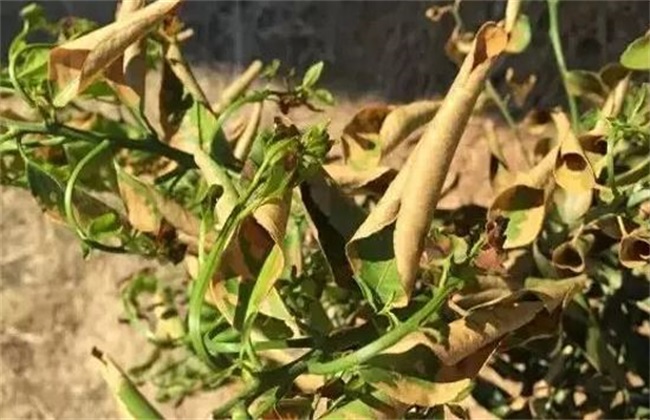
1. Symptoms of Fertilizer Burn
After fertilizer burn occurs, severely affected trees become listless, grow very slowly or stop growing altogether, and their leaves and stems dry up. Sometimes the branches die back, and in severe cases even the trunk dies. The root system is affected first and directly, drying up, suffering root burn, and ceasing to grow; the roots turn reddish-brown and gradually blacken. Trees that are currently bearing fruit will eventually drop their fruit as well.
2. Causes
When fertilizing too close to the trunk, digging can cut through large roots and cause damage; when fertilizing is dug in too deep, it comes into direct contact with the main roots and injures them. Applying too much fertilizer makes the soil solution concentration too high, so the roots cannot absorb it. Uneven fertilization that is overly concentrated. Using fertilizer that has not been fermented and decomposed means it will ferment in the soil, generate heat, and burn the roots. Fertilizing without watering will also injure the roots; be especially careful with highly caustic fertilizers such as urea. Do not mix multiple fertilizers together, and pay attention to the concentration of foliar fertilizer.
3. Preventive Measures
Fertilize evenly, and mix the fertilizer thoroughly with the soil, mixing in plenty of soil. Farmyard manure must be fully decomposed before application. Apply fertilizer in a scattered manner, not overly concentrated. Topdress rationally, and do not fertilize too many times. When fertilizing, stay some distance from the main trunk, and apply fertilizer at the drip line of the canopy. Strictly control the concentration of foliar fertilizer used. Do not injure the roots when digging the soil for fertilization.
4. Remedial Methods
After symptoms of fertilizer burn appear, promptly use flood irrigation to dilute the soil solution concentration, dig away the soil around the root system, check whether the roots are damaged, prune the root system, and after exposing the roots to the sun for a few days, replace the soil with new soil, preferably topsoil that has never been fertilized. Remove the withered leaves and spray water frequently; if the root damage is severe, the roots must be cut off.
If fertilizer burn occurs in fruit trees, the roots are affected first, but what can be seen shows up first on the leaves; timely remediation mainly relies on diluting the fertilizer and replacing the soil to improve the situation.