What causes rotten grape clusters after the bags are removed
Bagging grapes is a technique for preventing and reducing fruit diseases, and it can also improve grape quality and increase market value. Many fruit growers consider it an effective means of ensuring quality and increasing yield at a low cost. However, quite a few growers have reported that rotten clusters appear after the bags are removed, which puzzles many of them. So what causes rotten clusters after the bags are removed from grapes? Let's take a look.
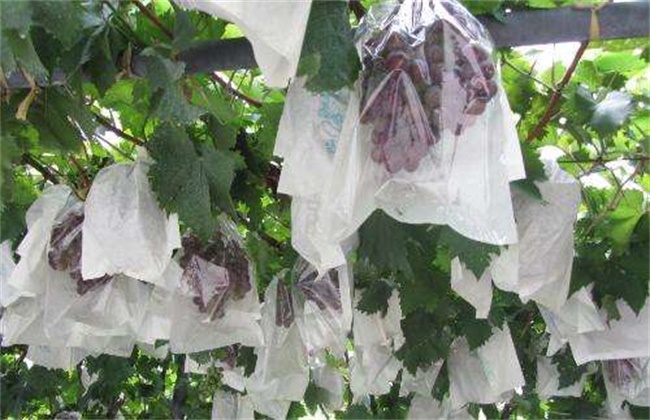
1. Improper bagging time
Grapes are quite particular about bagging time. Generally speaking, it is better to bag early than late, and the bagging time is usually chosen during the swelling stage. When bagging is done late, some fruits have already been infected by pathogens, and spraying fungicide makes it hard to eliminate them. After bagging, they will still multiply inside the bag and harm the fruit. Moreover, experiments have shown that when bagging is done during the swelling stage, the grape rot rate is only 2.5%, while bagging 20 days later results in a rot rate of 17.8%. Therefore, the bagging time for grapes must be well controlled.
2. Incorrect bagging method
Incorrect bagging time can also cause rotten clusters in grapes after the bags are removed. Some growers generally finish bagging within 6 days after spraying, but this is a wrong practice. Time has proven that after spraying grapes, you should wait for the liquid to dry, then bag promptly, preferably finishing the same day. If there is no rain that day and no dew at night, finishing within two days is also acceptable. If the planting area is large, you can bag block by block. Based on your own actual situation, estimate how much you can bag in one day and spray that amount of fungicide.
3. Problems with spraying
The timing of spraying before bagging is wrong. Do not spray when there is dew, and do not spray under strong midday sunlight or in strong winds, as this will reduce the effectiveness of the spray and may even have the opposite effect. The best time to spray is from 7-10 a.m., avoiding periods with dew and strong sunlight. Spray evenly, and avoid spraying too much or missing spots. For trellised grapes, spray both sides, and for trellis frames, spray both sides of the clusters as well. Choose the fungicide well, such as azoxystrobin, benzyl azoxystrobin, etc., and never use counterfeit pesticides. The sprayer nozzle should use a fine swirl disc, which helps produce a fine and even spray.
4. Paper bag problems
The benefits of bagging grapes include preventing diseases, preventing pollution, preventing bird damage, and preventing insect damage. It can also maintain grape yield, improve quality, and help get a good price. However, the paper bags used for bagging are also quite important. Paper bags produced by some unlicensed manufacturers using inferior paper, paper bags made from newspaper at home, and paper bags that have already been used once will all cause fruit rot inside the bag. Remember this clearly: be sure to buy standard, qualified wood pulp paper bags. Although the price is higher, they are safe and reliable.
The above is an introduction to what causes rotten clusters after the bags are removed from grapes. I hope it can help you. To learn more related knowledge, please keep following us.