Reasons Why Mango Trees Only Bloom but Do Not Bear Fruit and Prevention and Control Methods
Mango is a fruit that many people love, with high market demand and good economic returns, so quite a lot of people grow it. Many growers often encounter the phenomenon of mango plants that only bloom but do not bear fruit. What is going on here? Let's find out together.
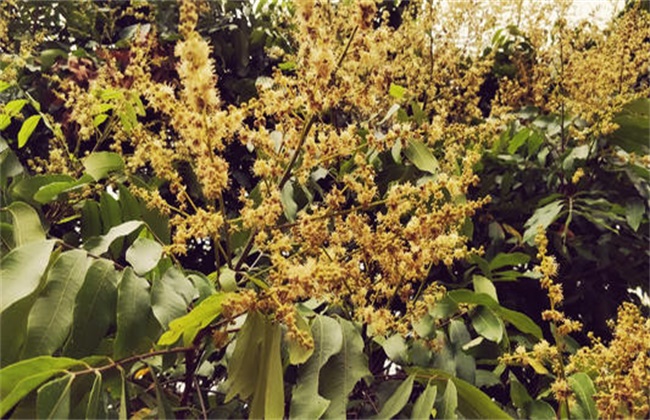
I. Reasons why mango trees only bloom but do not bear fruit
1. Improper management
The flowering and fruiting period of mango is the time when the plant's nutrient demand is at its highest. If fertilizer is not applied in a reasonable combination at this time, and the amount, type and timing are improper, it will affect the flowering and fruiting of the tree and result in a low fruit-setting rate. The vigor of the tree, the management of the two earlier flushes of leaves, and whether the branches and leaves during the shoot-control period are sufficiently mature and uniform will all have an impact.
2. Climatic factors
During the flowering and pollen-shedding period of mango trees, whether the weather is good or bad is crucial, because at this time the pollen is extremely sensitive to low temperatures. The influence of low-temperature overcast and rainy weather will affect the normal germination of mango pollen, reduce the pollination rate of mango, and cause poor fruit set in mango. If there is too much rain during this stage, it will also wash away the pollen, and the activity of insects during the rainy season will decline, which will also affect effective pollination of the plant, leading to poor pollination and a reduced fruit-setting rate.
3. Impact of pests and diseases
From before flowering to the pollen-shedding period of mango, this is the peak period for various pests and diseases and also the period with the most pesticide spraying. Diseases that the plant is highly susceptible to at this stage include anthracnose, powdery mildew, stem-end rot, bacterial angular leaf spot, sooty mold and gummosis, while the most common pests are thrips and flat-headed leafhoppers. They will continuously harm the plant's tender buds and tender leaves, and do even greater harm to the flowers. Damaged flower buds will gradually turn black until they wither and are torn off, and damaged fruits will also show disease spots, affecting the fruit-setting rate and fruit quality.
II. Prevention and control methods
1. Strengthen management
In the early stage, the application of nitrogen fertilizer should be controlled for mango, and it is not advisable to apply too much nitrogen fertilizer alone, so as to avoid excessive vegetative growth of branches and leaves, which absorbs too many nutrients and leads to a low flowering and fruit-setting rate. Overly vigorous branch and leaf growth will also lead to poor ventilation and light penetration, affecting photosynthesis, and when humidity is high it will also trigger pests and diseases. At this time, timely pruning is needed, cutting off dead branches, diseased branches, thin and weak branches, and leggy branches, so that the branches are reasonably distributed, increasing the accumulation of nutrients in effective shoots, which is conducive to bud differentiation and improves the fruit-setting rate.
2. Water management
When mango encounters overcast and rainy weather during the flowering period, shake the flowers promptly after the rain to shake off raindrops and rotten flowers, avoiding flower rot. At the same time, spray pesticides promptly to sterilize, repair wounds, reduce the incidence of flower rot, and also supplement nutrients such as polysaccharides and polypeptides to strengthen and protect the flowers.
3. Prevention and control of pests and diseases
After rain, promptly remove dead branches and fallen leaves, diseased flowers and diseased fruits in the orchard, so as to reduce sources of infection and lower the pathogen base. At the same time, spray Liangguoan at 150-300 times + Diliwang at 500 times + Wofengsu at 600 times to repair wounds caused by wind and rain, cut off the pathways of pathogen invasion, and also supplement high-energy substances for the tree, which helps restore tree vigor. When diseases occur, use the right remedy for the disease and control them promptly, so as to prevent pests and diseases from spreading further.
The above is an introduction to the reasons why mango trees only bloom but do not bear fruit and the prevention and control methods. We hope it can help you. If you want to learn more related knowledge, please stay tuned to us.