What causes rotten grapes after bagging
Grapes are a very popular fruit, with a wide variety of cultivars in our country, and they are welcomed by many people. When growing grapes, careful management is required. Bagging is an indispensable technique in grape growing, a measure taken to prevent rotten fruit and improve fruit quality. However, sometimes grapes still rot after bagging. What causes this? Let's take a look together below!
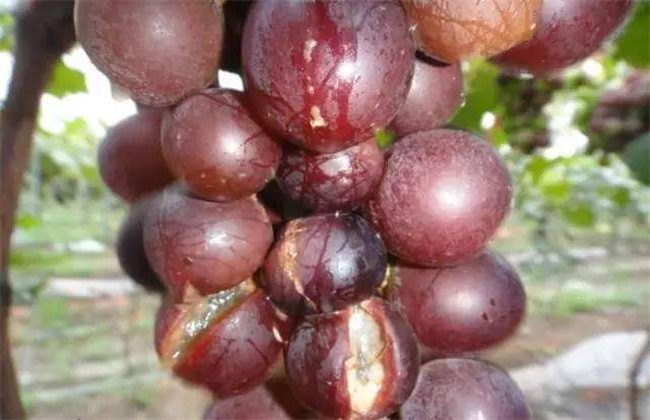
1. Wrong bagging time
When bagging grapes, the first thing to pay attention to is the bagging time, which has a great influence on the bagging effect. Generally speaking, grapes should be bagged earlier rather than later, but not too early. It should usually be done during the grape berry enlargement stage, when the bagging effect is also the best. If bagging is done too late, some fruits will be infected with pathogens, and even spraying pesticides cannot completely eliminate them. After bagging, they will still be active on the fruit. According to experimental data, the rotten fruit rate for bagging during the enlargement stage is only 3%, while bagging three weeks late can reach a rotten fruit rate of 18%.
2. Wrong bagging method
Some people choose to finish bagging within a week after spraying the grapes. In fact, bagging this way will affect the bagging effect to a certain extent. We should bag the grapes promptly after spraying, once the pesticide has dried, and it is best to finish bagging the same day. If there is no rain and it is certain there will be no dew at night, then it can also be delayed to finish within two days. If the planting area is large, then it should be done in batches, but it must be ensured that bagging is done only after the pesticide has dried; if it has not dried, it can easily lead to rotten fruit. When bagging, do not press the berries with your hands, and be sure to tie the bag opening tightly to prevent rainwater from soaking through.
3. Wrong pesticide application
Before bagging grapes, we need to apply pesticide to disinfect them. If the pesticide application time is inappropriate, it can very easily lead to rotten fruit after bagging. Note that you must not apply pesticide when there is dew, nor when the sunlight is strong or there is a strong wind. It is best to finish applying the pesticide between 7-9 am. This can avoid dew, prevent excessive sunlight, and also leave sufficient time for bagging. Then control the dosage well, ensuring it is comprehensive, uniform, and of good pesticide quality. Do not spray too much, and do not miss any spots.
4. Paper bag quality issues
There are now very many types of bags used for bagging fruit on the market, such as paper bags, plastic bags, and so on. Bagging grapes has many benefits: it can prevent the fruit from being contaminated, and prevent bird damage and pests and diseases. It is very beneficial to grape yield and fruit quality. When choosing bags, we must not choose those plastic bags that are not breathable or water-permeable just to save money. High-quality wood pulp paper bags should be the main choice; as long as the paper bag quality is slightly poor, it can very easily cause rotten fruit inside the bag.
The above is a brief introduction to what causes rotten grapes after bagging. That is all for today's introduction. This article is for reference only, and we hope it can help everyone!